


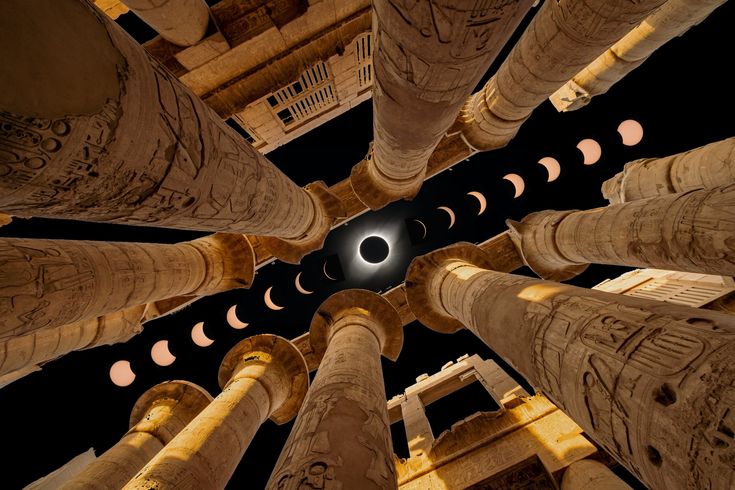
2027 Total Solar Eclipse in Egypt: Complete Travel Guide
2027 Total Solar Eclipse in Egypt: Complete Travel Guide
On August 2, 2027, Egypt will become one of the world’s most exciting destinations for eclipse travelers. 2027 total solar eclipse Egypt along the path of totality, the Moon will completely cover the Sun and transform the daytime sky for several extraordinary minutes. In Luxor, this rare celestial event can be experienced alongside ancient temples, royal tombs, the Nile Valley, and the timeless landscapes of Upper Egypt.
This guide explains where to go, what the eclipse will look like, how to plan your trip, how Cairo compares with Luxor, what to pack, and how to watch safely. It also includes a practical framework for a five-day Egypt eclipse journey and answers the questions travelers ask most often.
“2027 total solar eclipse Egypt.”
- Date: August 2, 2027
- Primary totality destination: Luxor and suitable locations within the path of totality
- Cairo: Partial eclipse, not totality
- Luxor totality: Current published calculations indicate approximately 6 minutes 22 seconds, depending on the exact observing location
- Best trip style: Combine the eclipse with Cairo, Luxor, and an optional Nile Cruise or Aswan extension
- Important: Confirm final contact times, coordinates, and viewing arrangements before departure
Why Experience the 2027 Total Solar Eclipse in Egypt?
A total solar eclipse is memorable wherever it occurs. Egypt adds an exceptional cultural dimension: you can watch the sky darken over the Nile Valley and spend the same journey exploring the pyramids, temples, tombs, museums, and living communities that make the country unique.
Egypt is especially appealing for travelers who want more than a short eclipse event. Before totality, you can explore the Giza Plateau and Cairo’s museums. In Luxor, you can visit Karnak Temple, Luxor Temple, the Valley of the Kings, and the Temple of Hatshepsut. Afterward, you can continue by Nile Cruise toward Edfu, Kom Ombo, and Aswan.
A rare event in an unforgettable setting
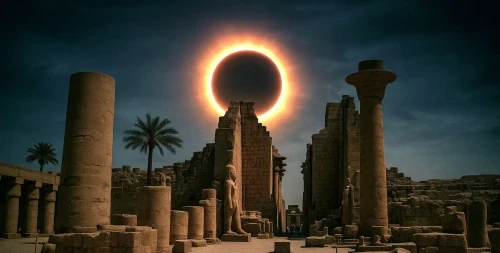
During totality, the bright solar disk disappears, the sky becomes dramatically darker, the solar corona becomes visible, and the horizon may glow with unusual twilight colors. The temperature can drop noticeably and the surrounding landscape may feel transformed. The experience lasts only a few minutes, but the memories can last a lifetime.
Why Luxor Is the Best Base for Many Eclipse Travelers
Luxor is one of Egypt’s most important archaeological destinations and a compelling base for travelers whose priority is totality. The city is divided by the Nile into the East Bank and West Bank, with major ancient sites on both sides.
2027 Solar Eclipse Tours Egypt
Explore our private Egypt Eclipse Tours and choose the itinerary that best fits your travel plans.
1-Day Luxor Solar Eclipse Tour – Karnak Temple
1-Day Luxor Solar Eclipse Experience – Hatshepsut Temple
1-Day Solar Eclipse Tour – Habu Temple, Luxor
4-Day Luxor Eclipse 2027 – Cairo & Luxor
5-Day Egypt Total Solar Eclipse Tour 2027 – Cairo & Luxor
6-Day Egypt Solar Eclipse Tour – Cairo, Luxor & Alexandria
7-Day Egypt Solar Eclipse Tour – Cairo, Aswan & Luxor
8-Day Solar Eclipse Tour – Cairo, Luxor & Hurghada
8-Day Eclipse Tour 2027 with Nile Cruise
9-Day Egypt Eclipse Tour 2027 with Nile Cruise
10-Day Egypt Solar Eclipse Tour 2027 – Cairo, Luxor, Aswan & Alexandria with Nile Cruise
11-Day Egypt Solar Eclipse 2027
12-Day Egypt Eclipse Tour 2027 – Cairo, Nile & Red Sea
13-Day Luxor Eclipse Tour – Cairo, Nile Cruise & Sharm El-Sheikh
14-Day Solar Eclipse Tour – Cairo, Alexandria, Luxor, Aswan & Sharm El-Sheikh with Nile Cruise
15-Day Total Solar Eclipse Tour 2027 – Cairo, Alexandria, Luxor, Aswan & Sharm El-Sheikh
trip
Karnak Temple
Karnak is a vast temple complex developed over many centuries. Its monumental gateways, columns, obelisks, inscriptions, and sacred spaces provide an outstanding introduction to ancient Thebes. A guided visit helps put the site’s architecture and religious history into context.
Luxor Temple
Luxor Temple stands close to the modern city and is particularly atmospheric later in the day. Its statues, columns, and ceremonial avenue make it an excellent addition to an itinerary that combines ancient history with the dramatic experience of eclipse day.
The Valley of the Kings
The Valley of the Kings contains the decorated tombs of New Kingdom rulers. Expect uneven ground, outdoor walking, steps, and strong heat. Comfortable shoes, water, and an early start will make the visit more enjoyable.
Temple of Hatshepsut and the West Bank
The Temple of Hatshepsut is built against the cliffs of Deir el-Bahari and combines striking terraces with the story of one of ancient Egypt’s most influential rulers. The West Bank can also include the Colossi of Memnon and other archaeological sites, depending on your schedule and included tickets.
Cairo or Luxor: Where Should You Watch the Eclipse?
The answer depends on what you want to experience. Cairo is essential for the pyramids, the Sphinx, museums, historic neighborhoods, restaurants, and the energy of modern Egypt. However, Cairo experiences a partial solar eclipse for this event.
Luxor is the stronger choice for travelers whose main objective is to experience totality. The exact duration varies by observing coordinates, so your operator should confirm the selected viewing site rather than relying only on the city name.
Can Cairo still be part of the trip?
Absolutely. A well-designed itinerary can begin in Cairo and continue to Luxor before eclipse day. Allow enough time for the transfer, domestic flight or other transportation, hotel check-in, sightseeing, and a comfortable eclipse briefing. Do not schedule a tight connection immediately before the event.
Expected Eclipse Timing in Luxor
Current published calculations for Luxor indicate approximate local times of:
- Partial eclipse begins: around 11:40 AM
- Maximum eclipse: around 1:05 PM
- Partial eclipse ends: around 2:26 PM
- Totality: approximately 6 minutes 22 seconds at the referenced location
These times should be treated as planning references. Contact times and duration change with location, and calculations may be refined. Before publishing final trip information or traveling, verify the exact coordinates and local circumstances through authoritative astronomical sources and your eclipse coordinator.
Suggested Five-Day Egypt Eclipse Itinerary
The ideal route depends on arrival airports, hotel availability, flight schedules, and the selected viewing site. The following outline shows how an efficient five-day experience could work.
Day 1: Arrive in Cairo
Meet your representative at the airport and transfer to your hotel. Keep the first evening flexible so you can recover from your flight, receive your documents, and review the eclipse program. If you arrive early, add a relaxed dinner or a short introductory visit.
Day 2: Giza Pyramids and the Sphinx
Visit the Great Pyramid, the other major pyramids on the plateau, and the Sphinx with a qualified guide. Discuss your onward travel arrangements and avoid an unnecessarily late evening before the transfer to Luxor.
Day 3: Travel to Luxor and explore the East Bank
Continue to Luxor by the transportation included in your itinerary. Depending on timing, visit Karnak Temple and Luxor Temple, then attend an eclipse briefing covering the viewing location, safety procedures, weather planning, meeting points, and photography.
Day 4: Eclipse viewing day
Have an early breakfast and travel to the designated viewing area with sufficient time for security, seating, hydration, equipment checks, and orientation. Use certified solar viewers throughout the partial phases. Remove them only after totality has begun and replace them immediately before the bright edge of the Sun returns.
Day 5: Luxor West Bank
Visit the Valley of the Kings, the Temple of Hatshepsut, and the Colossi of Memnon, or choose a slower schedule after eclipse day. A private itinerary can include additional rest, a Nile-side meal, or a museum visit.
Optional extension: Nile Cruise, Aswan, or Abu Simbel
If you have more time, extend the journey with a Nile Cruise or continue to Aswan. Edfu, Kom Ombo, Philae Temple, and Abu Simbel can add depth to the experience, but schedule them with realistic travel buffers.
How to Plan Your Eclipse Trip
Book well in advance
Interest in the eclipse is likely to increase demand for hotels, flights, private vehicles, guides, cruise cabins, and suitable viewing areas. Early booking gives you more choice of accommodation and allows the operator to build sensible contingency time.
Confirm the exact viewing site
Ask where totality will be observed, how long the transfer will take, what facilities are available, and when you must arrive. A location near the centerline can provide longer totality, but accessibility, weather planning, comfort, and traffic management also matter.
Choose accommodation for comfort and logistics
Consider the hotel’s location, air conditioning, breakfast arrangements, transfer time, room category, and cancellation terms. On eclipse day, practical details matter more than choosing a property solely by its star rating.
Plan transportation carefully
Private air-conditioned vehicles are often convenient for sightseeing and transfers. Domestic flights can save time between Cairo and Luxor, while a Nile Cruise provides accommodation and sightseeing between destinations. Confirm luggage allowances, pickup times, and what happens if schedules change.
Leave room for the unexpected
Do not place a critical international departure, long road transfer, or non-refundable activity immediately after the eclipse. Traffic, security procedures, crowds, and weather preparation can affect timing.
Weather, Heat, and What to Pack
August in Luxor is hot. Plan for outdoor waiting and walking by bringing lightweight, breathable clothing, comfortable closed shoes, a wide-brimmed hat, sunscreen, water, sunglasses for ordinary daytime use, personal medication, identification documents, and a portable charger.
For photography, bring a tripod, spare batteries, extra memory cards, and a camera filter designed specifically for solar viewing during partial phases. Test all equipment before eclipse day and keep time to enjoy the event without looking at a screen.
How to Watch the Eclipse Safely
Eye safety is essential. Use certified solar viewers or an approved solar filter during every partial phase. Ordinary sunglasses, smoked glass, exposed film, photographic negatives, and improvised filters do not protect your eyes.
You may look at the Sun without solar viewers only during the brief period of totality, when the bright solar disk is completely covered. Put the viewers back on immediately before totality ends and the bright edge becomes visible.
Never look through a camera, binoculars, or telescope at the Sun unless the instrument has a proper front-mounted solar filter designed for that equipment. Follow the manufacturer’s instructions and the guidance of your eclipse coordinator.
Eclipse Photography Tips
- Practice manual focus before travel.
- Use a properly fitted solar filter during partial phases.
- Prepare camera settings in advance.
- Use a stable tripod and bring spare batteries.
- Do not allow photography to distract from eye safety.
- Plan at least part of totality to be experienced without a camera.
Frequently Asked Questions
When is the total solar eclipse in Egypt?
The eclipse takes place on August 2, 2027.
Can I see totality from Cairo?
No. Cairo experiences a partial solar eclipse. Travelers seeking totality should select Luxor or another verified location within the path of totality.
How long will totality last in Luxor?
Current published calculations indicate approximately 6 minutes 22 seconds at the referenced Luxor location. The exact duration depends on your observing coordinates.
What time does the eclipse begin?
Current Luxor planning references place the partial phase at approximately 11:40 AM, maximum eclipse around 1:05 PM, and the end of the partial phase around 2:26 PM. Confirm final timings before travel.
Is Luxor too hot in August?
August is very hot, but the trip can be comfortable with early starts, air-conditioned transport, frequent hydration, suitable clothing, and shaded or organized viewing arrangements.
Can I combine the eclipse with the pyramids?
Yes. Cairo and Luxor can be combined in a carefully timed itinerary, with Cairo sightseeing before traveling south for the eclipse.
Can I add a Nile Cruise?
Yes. A cruise toward Aswan can be added before or after the eclipse, provided the schedule includes enough flexibility around eclipse day.
How early should I book?
Book as early as practical. Special-event demand may affect hotels, flights, guides, cruise cabins, transport, and viewing arrangements.
What solar glasses should I use?
Use certified solar viewers from a reputable supplier and inspect them before use. Follow the product instructions and never substitute ordinary sunglasses or homemade filters.
Plan Your 2027 Egypt Eclipse Adventure
The 2027 total solar eclipse offers the chance to experience one of nature’s most dramatic events in the setting of Luxor’s temples, tombs, and Nile landscapes. By choosing the viewing location first, booking early, building in generous travel time, and following strict eye-safety guidance, you can create a journey that is both unforgettable and well organized.
Ready to begin planning? Explore the 5-Day Egypt Total Solar Eclipse Tour 2027 or contact Egypt Nile Travel to discuss accommodation, transport, sightseeing, viewing arrangements, and a tailored itinerary.
Important planning note: Eclipse timings, viewing coordinates, access arrangements, and travel schedules should be checked again before publication and before departure. Use authoritative astronomical information and follow the final instructions provided by your tour organizer.

Comments are closed