


Cairo Attractions | Best Things to Do in Cairo
Looking for things to do in Cairo? Start with the city’s museums, historic streets and markets, then plan separate time for the Giza Pyramids and Saqqara. This guide brings together Cairo sights and nearby excursions to help you choose what fits your interests. For a focused visit, explore our private Giza Pyramids and Grand Egyptian Museum day tour; travelers with an overnight airport connection can compare the 2-day Cairo stopover tour.
For a wider itinerary, compare our Egypt destination guide. Before choosing travel dates, read our seasonal guide to visiting Egypt. If you want a guided itinerary that includes Cairo, compare our private Egypt tour packages and request a tailored quote.
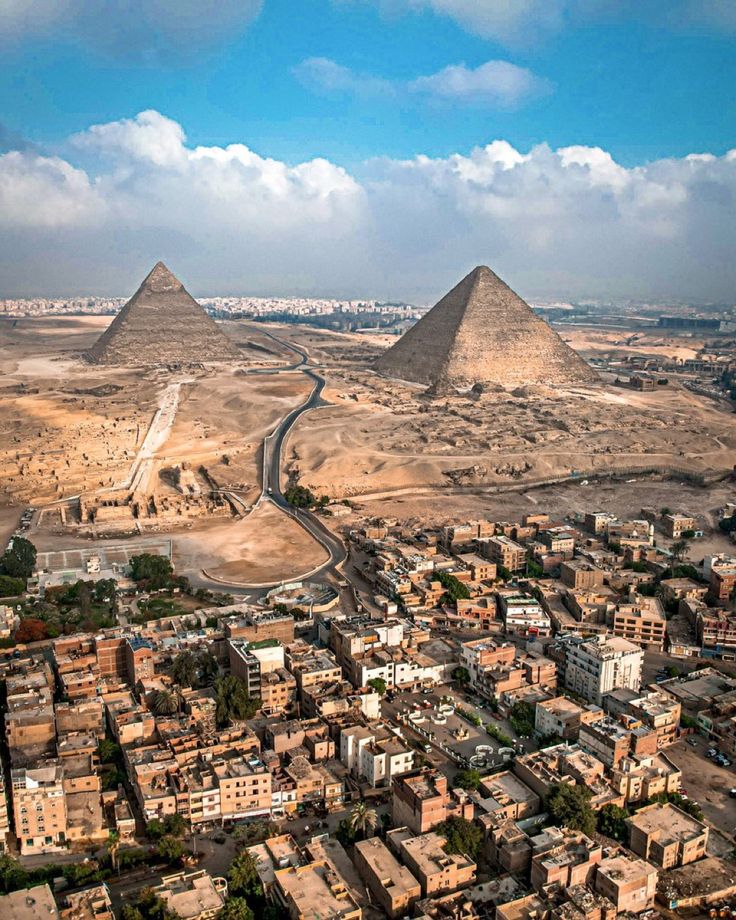
If you’re looking for a place where history feels alive, there’s truly nowhere like Cairo. While everyone knows it for the world-famous pyramids, Egypt’s capital is so much more than just ancient stone—it’s a city with a soul that vibrates with life, laughter, and incredible stories. At Egypt Nile Travel, we believe every traveler deserves to experience the true magic of this timeless destination.
Imagine yourself wandering through sun-drenched streets where the smell of fresh spices and traditional coffee fills the air. Whether you’re a history lover or just someone looking for a new adventure, Cairo has a special way of making every traveler feel like they’ve discovered a hidden treasure. Finding these off-the-beaten-path spots and navigating daily life is easy when you have a friendly guide from Egypt Nile Travel by your side.
Things to Do in Cairo: Sights to Explore
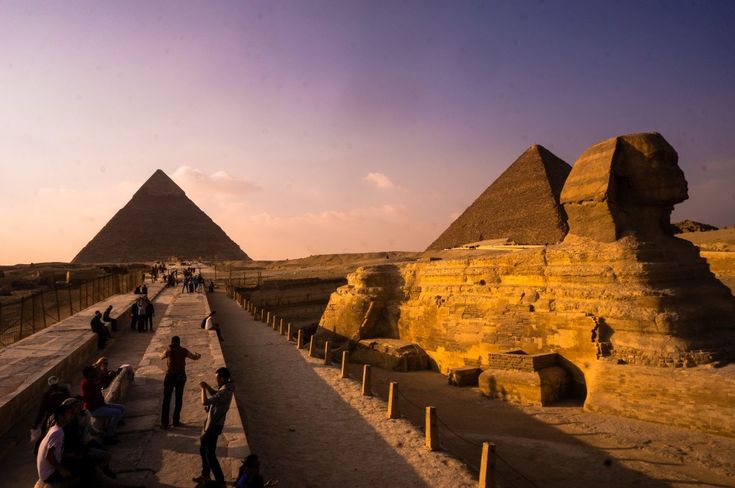
- The Giza Pyramids: More than just a photo op, standing here feels like a warm embrace from history itself.
- Khan el-Khalili: This isn’t just a market; it’s the city’s living room. Grab a tea, chat with a local shopkeeper, and soak in the magic with Egypt Nile Travel.
- Al-Azhar Park: The perfect place to slow down. Watch the sunset over the Citadel while the city lights begin to twinkle—it’s pure peace.
- The Egyptian Museum: Think of it as a giant, golden treasure chest waiting for you to peek inside.
1. The Giza Pyramids:
- The Great Pyramid of Khufu:
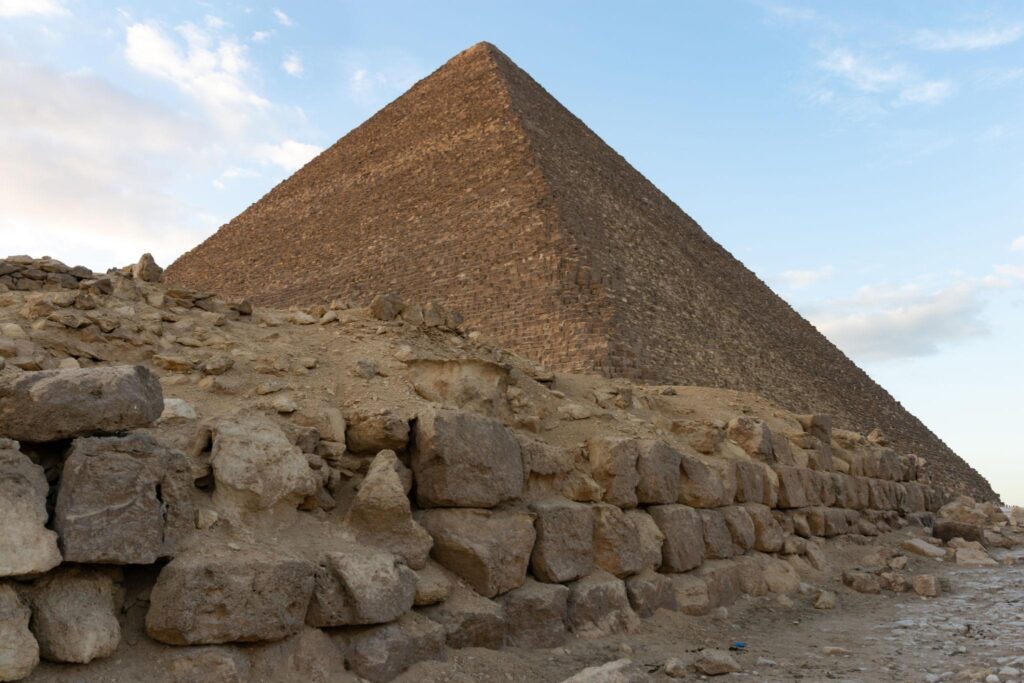
The Great Pyramid of Khufu stands as the largest and most iconic pyramid in Egypt, built as the eternal resting place of Pharaoh Khufu during the Fourth Dynasty of the Old Kingdom. Rising majestically on the Giza Plateau, it reflects the extraordinary engineering skills and architectural brilliance of ancient Egyptian civilization.
Inside the pyramid, visitors can witness remarkable passages and chambers that highlight the sophistication and grandeur of the era. Every stone tells a story of power, legacy, and precision.
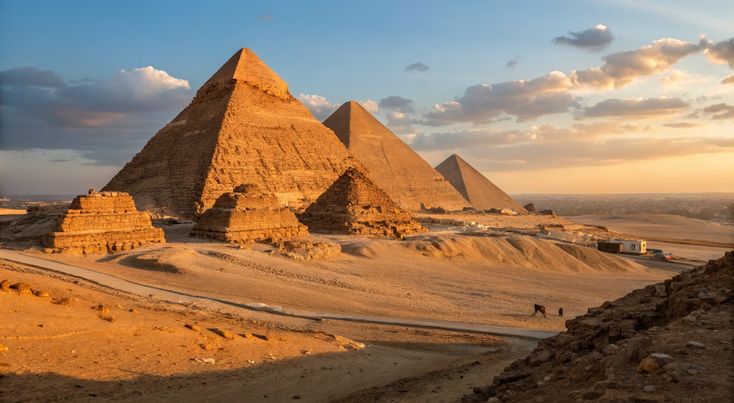
With Egypt Nile Travel, step onto the legendary Giza Plateau and explore the timeless wonders of the Great Pyramid alongside the Pyramids of Khafre and Menkaure—guardians of Egypt’s glorious past.
Location: Giza Plateau
Height: 139 m
Constructed: c. 2570 BC
Materials: Limestone, granite, basalt, mortar
Function: Royal tomb
- The Pyramid of Khafre:
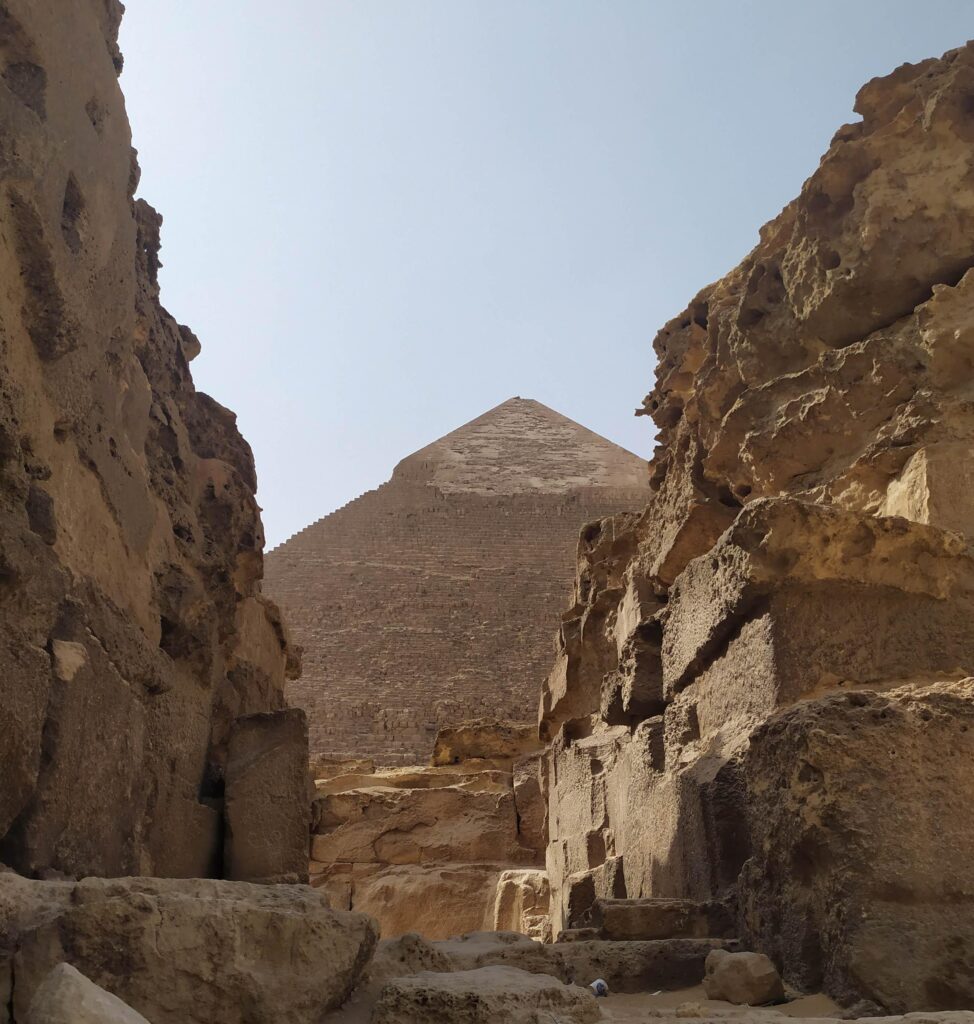
The Pyramid of Khafre is the second-largest pyramid on the Giza Plateau, distinguished by the remains of its original limestone casing still visible at its summit. Built by Pharaoh Khafre, the son of Khufu, it stands as a powerful symbol of continuity and royal ambition.
Despite being slightly smaller than the Great Pyramid, its elevated position gives it a striking and dominant appearance across the plateau.
Explore this remarkable structure with Egypt Nile Travel and uncover the secrets behind its construction, design, and historical significance.
Location: Giza Plateau
Height: 136 m
Constructed: c. 2570 BC
Volume: 2,211,096 m³
Burial: Pharaoh Khafre
- The Pyramid of Menkaure:
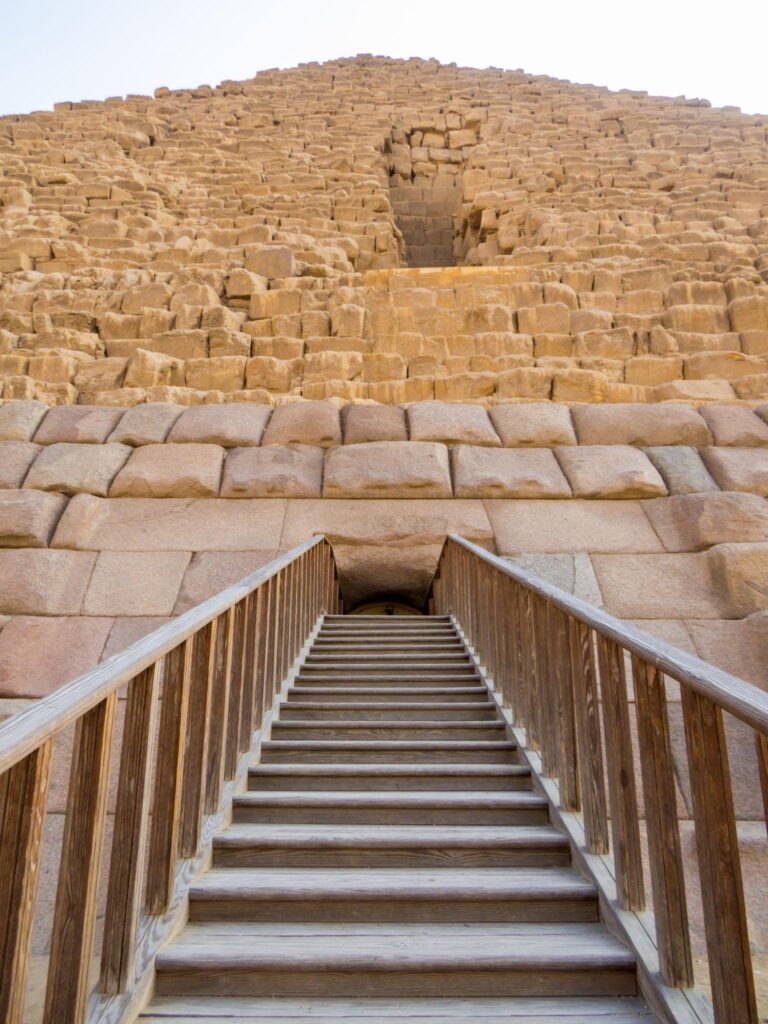
The Pyramid of Menkaure, the smallest of the three main pyramids at Giza, holds great historical significance. Built for Pharaoh Menkaure, it showcases a unique combination of materials, including red granite at its lower levels, giving it a distinct appearance.
Though smaller in size, the pyramid reflects the same level of craftsmanship and symbolic importance as its larger counterparts.
Discover the legacy of Menkaure with Egypt Nile Travel, and explore the intricate details and chambers that tell the story of this ancient ruler.
Location: Giza Plateau
Height: 61 m
Constructed: c. 2510 BC
Materials: Limestone, red granite
Volume: 235,183 m³
Burial: Pharaoh Menkaure
- The Great Sphinx:
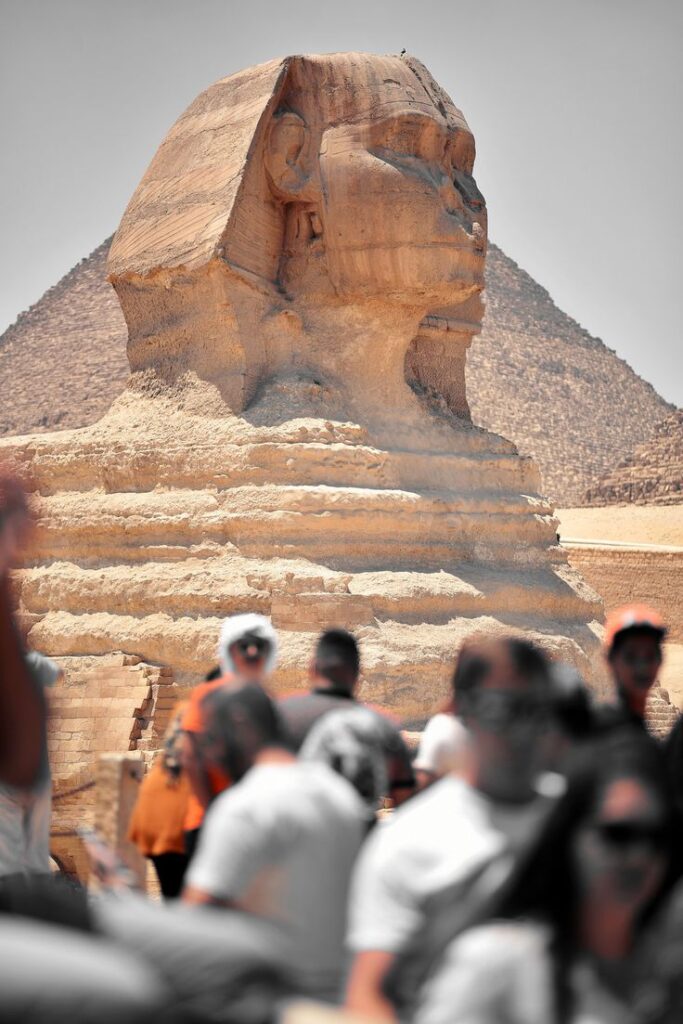
The Great Sphinx of Giza, carved over 4,500 years ago, stands as one of the most mysterious and captivating monuments of ancient Egypt. With the body of a lion and the head of a pharaoh—believed to represent King Khafre—it symbolizes strength, wisdom, and protection.
Carved from a single limestone outcrop, the Sphinx has watched over the Giza Plateau for millennia, guarding the pyramids and preserving their secrets.
With Egypt Nile Travel, uncover the fascinating stories, symbolism, and enduring mystery behind this iconic monument.
Location: Giza Plateau
Height: 20 m
Length: 73 m
Material: Limestone
Period: Old Kingdom
2. The Step Pyramid of Saqqara:
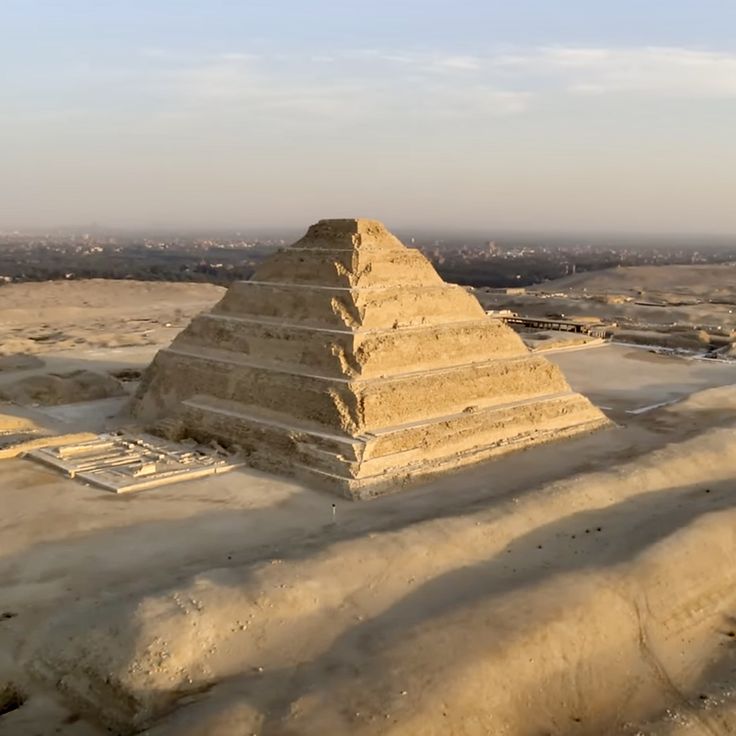
The Saqqara Pyramid, also known as the Step Pyramid of Djoser, is considered the earliest pyramid ever built in ancient Egypt. It is located in the Saqqara necropolis on the west bank of the Nile, near Giza, and was constructed for King Djoser of the Third Dynasty.
A unique step design, consisting of six stacked layers, unlike the smooth-sided pyramids built later
Designed by the renowned architect Imhotep, marking one of the first large-scale uses of stone in construction
Approximately 60 meters high
Part of a vast funerary complex that includes courtyards, temples, and underground passages
- Why is it important?
The Step Pyramid represents a major breakthrough in ancient Egyptian architecture. It was the first successful attempt to build a pyramid and laid the foundation for the development of the iconic pyramids of Giza.
In short:
Saqqara marks the beginning of pyramid construction in Egypt and remains one of the most significant archaeological sites in the world.
3. The Grand Egyptian Museum (GEM):
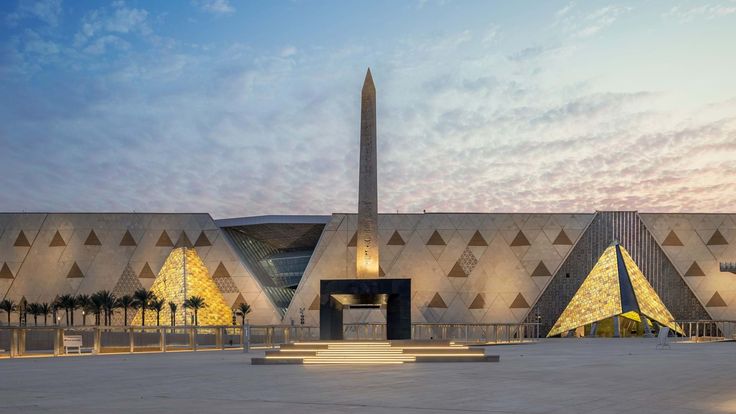
The Grand Egyptian Museum (GEM), located near the Giza Pyramids, is the largest archaeological museum in the world dedicated to a single civilization. It offers a modern and immersive experience, showcasing ancient Egypt through state-of-the-art exhibitions and carefully curated galleries.
- Main Galleries:
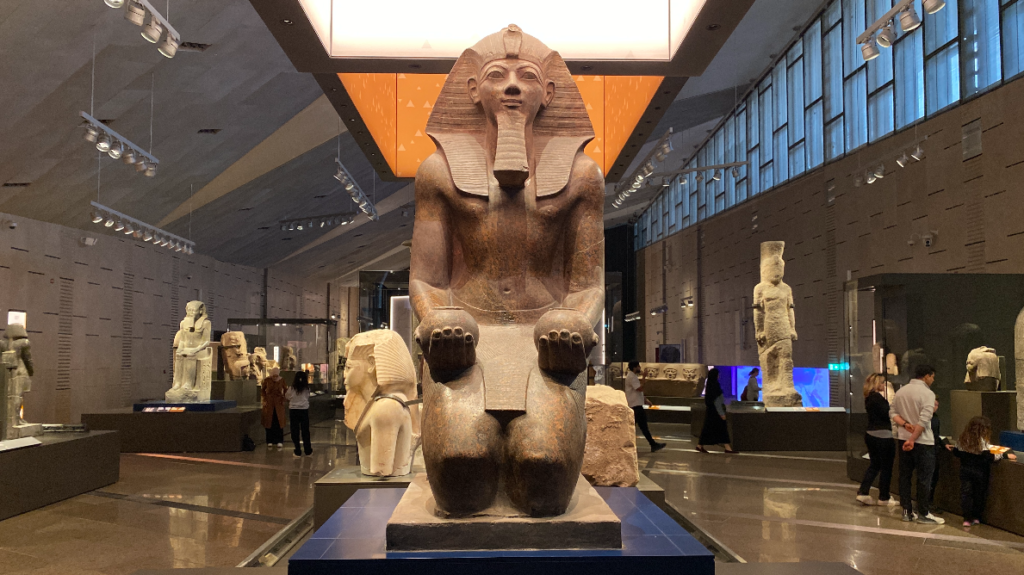
The museum’s main galleries are arranged chronologically, guiding visitors through thousands of years of ancient Egyptian history. Each hall highlights different periods, featuring statues, artifacts, and everyday objects that reflect the evolution of Egyptian civilization.
- Tutankhamun Galleries:
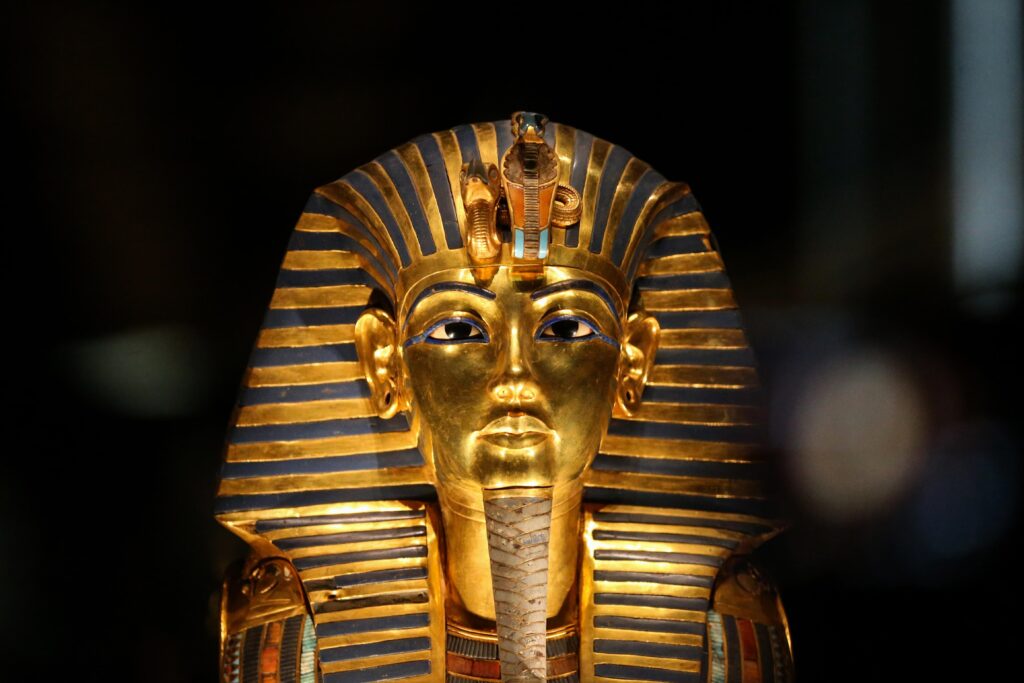
One of the highlights of the museum is the complete collection of King Tutankhamun’s treasures, displayed together for the first time. These galleries offer a unique journey into the life and burial of the young king, with beautifully presented artifacts.
- Grand Hall & Main Atrium:
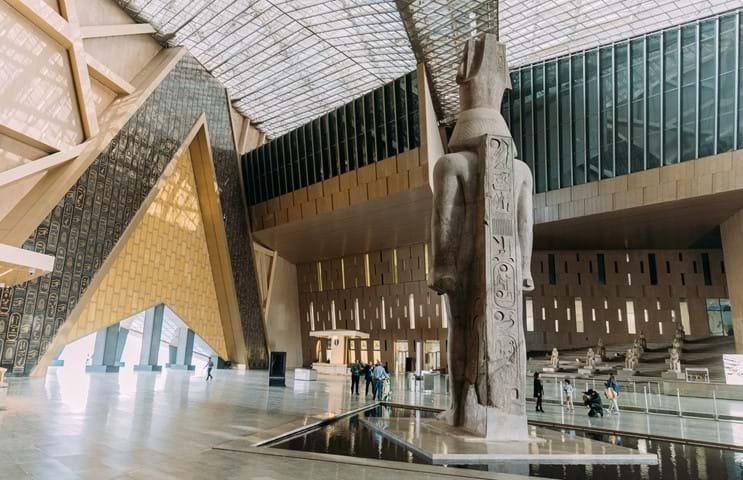
Upon entering, visitors are welcomed by a spacious hall featuring impressive statues of ancient kings and monumental pieces, creating a striking first impression of Egypt’s grandeur.
- Children’s Museum:
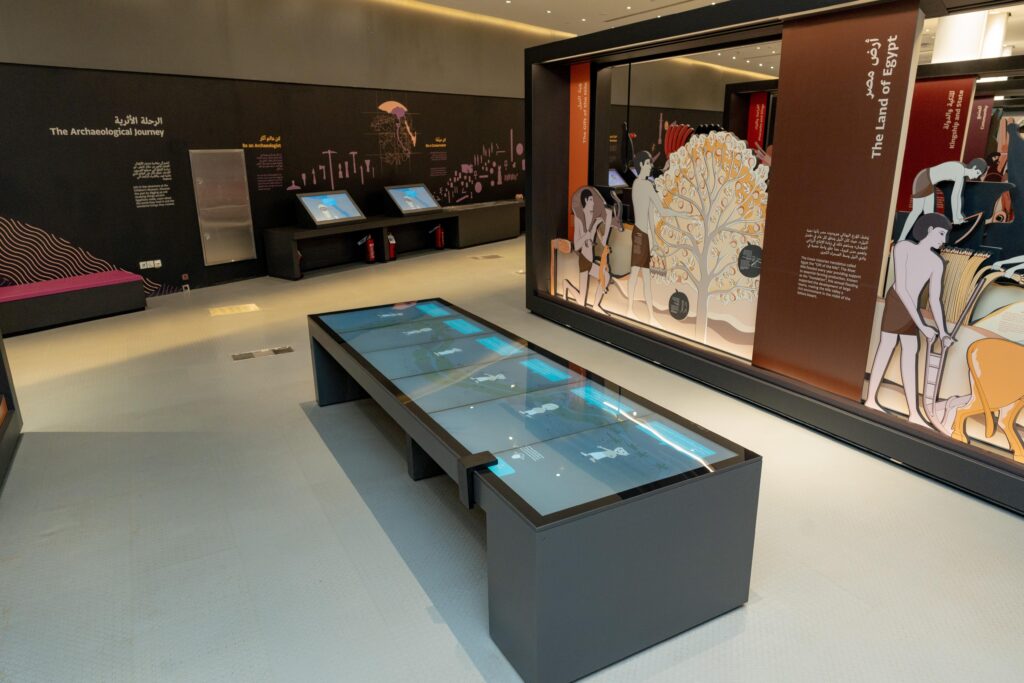
The Children’s Museum provides an interactive and educational experience designed especially for younger visitors. Through hands-on activities, digital displays, and engaging storytelling, children can explore ancient Egyptian life in a fun and easy-to-understand way.
In short:
The Grand Egyptian Museum is not just a museum—it’s a complete cultural experience that brings ancient Egypt to life for visitors of all ages.
4. The Egyptian Museum:
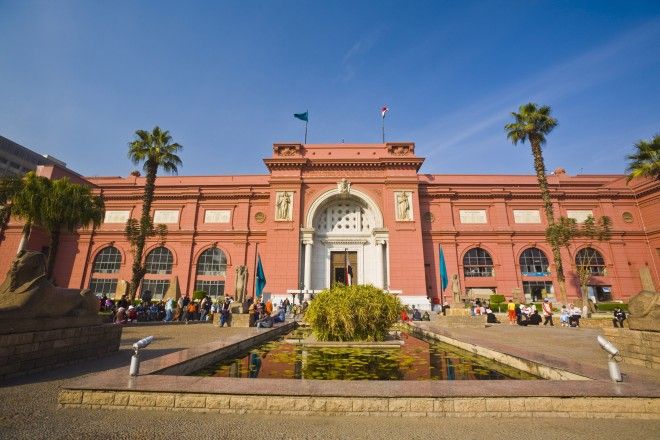
The Egyptian Museum, also known as the Museum of Egyptian Antiquities, is one of the most important museums in the world, located in the heart of Tahrir Square in Cairo. Designed by the French architect Marcel Dourgnon in a Neoclassical style, it was the first purpose-built museum in the Middle East and North Africa, housing the world’s oldest and largest collection of Pharaonic art and monuments.
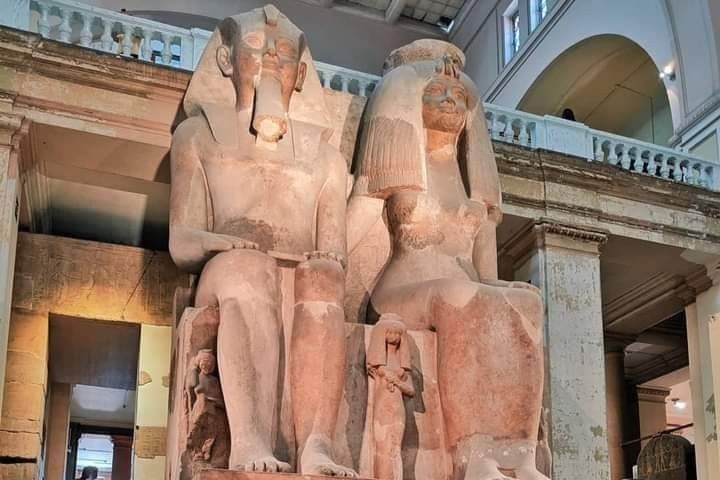
With over 120,000 artifacts on display, the museum offers a comprehensive journey through ancient Egyptian history, from the Old Kingdom through the Greco-Roman period. Visitors can explore an extraordinary range of exhibits, including statues, coffins, papyri, funerary objects, jewelry, and artifacts from daily life, all reflecting the richness and evolution of Egyptian civilization.
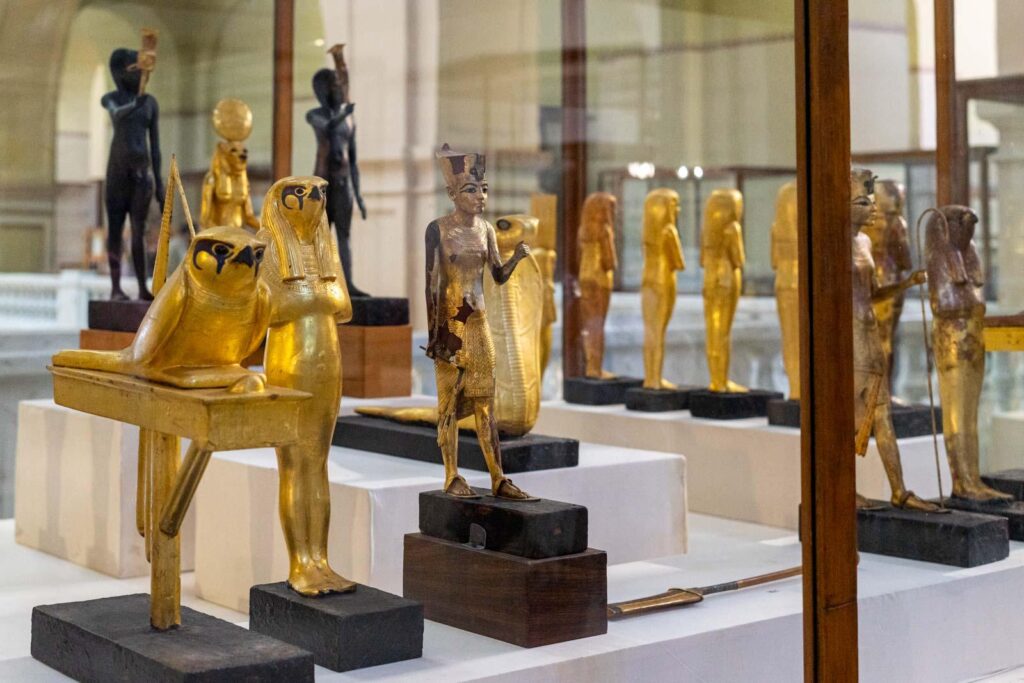
Among the highlights of the museum are the treasures of Tutankhamun, including his iconic golden mask and a remarkable collection of objects discovered in his tomb. The museum also features significant artifacts such as the Narmer Palette, which symbolizes the unification of Upper and Lower Egypt, as well as royal treasures from Tanis.
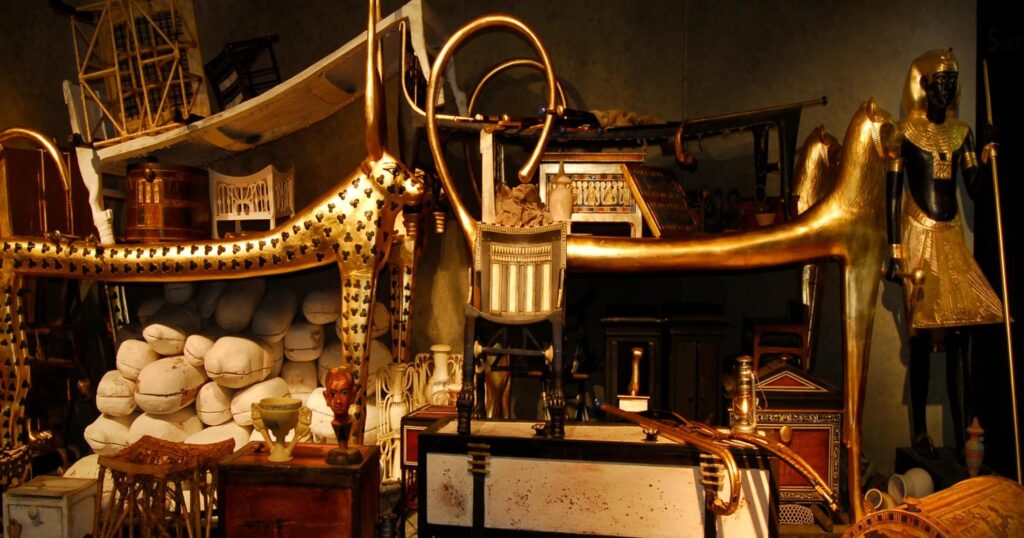
A unique experience within the museum is the Royal Mummies Room, where visitors can witness the preserved mummies of some of Egypt’s greatest kings and queens, carefully displayed in specially designed cases.
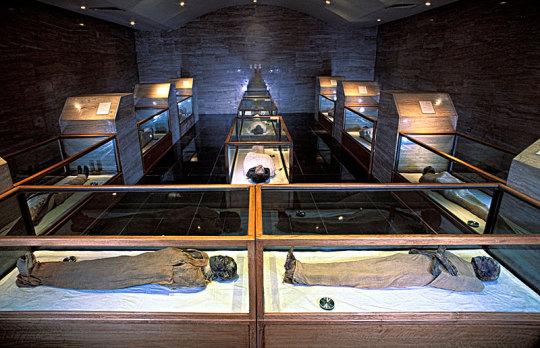
Egypt Nile Travel invites you to explore this timeless cultural landmark, where every gallery reveals a new chapter of Egypt’s fascinating past, offering an unforgettable journey through thousands of years of history.
5. Saladin Citadel:
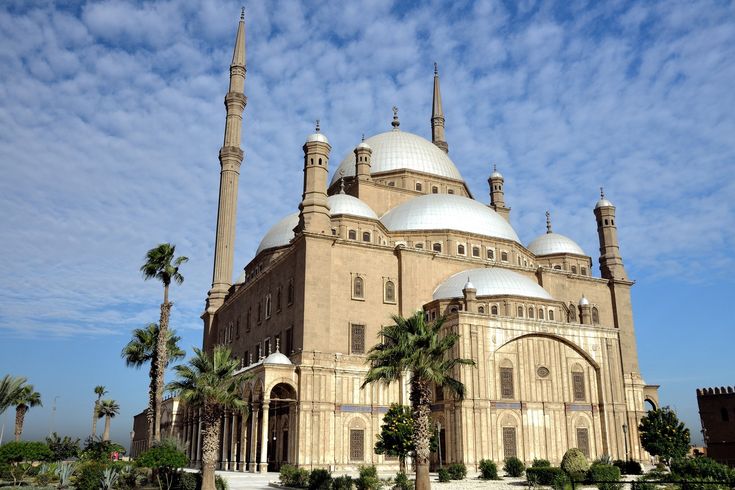
The Cairo Citadel, also known as the Citadel of Salah al-Din al-Ayyubi, is one of the most iconic landmarks in Cairo and a remarkable fortress from the medieval Islamic era. It was commissioned by Salah al-Din in 1176 as part of a strategic plan to protect Cairo and unify it with the city of Fustat, creating a strong defensive center against Crusader attacks.
Built on a high point overlooking the city, the Citadel served for centuries as the seat of power and government in Egypt, making it not only a military stronghold but also a symbol of authority and leadership. Over time, it was further developed by successive Egyptian rulers, each adding their own architectural touches and enhancements.
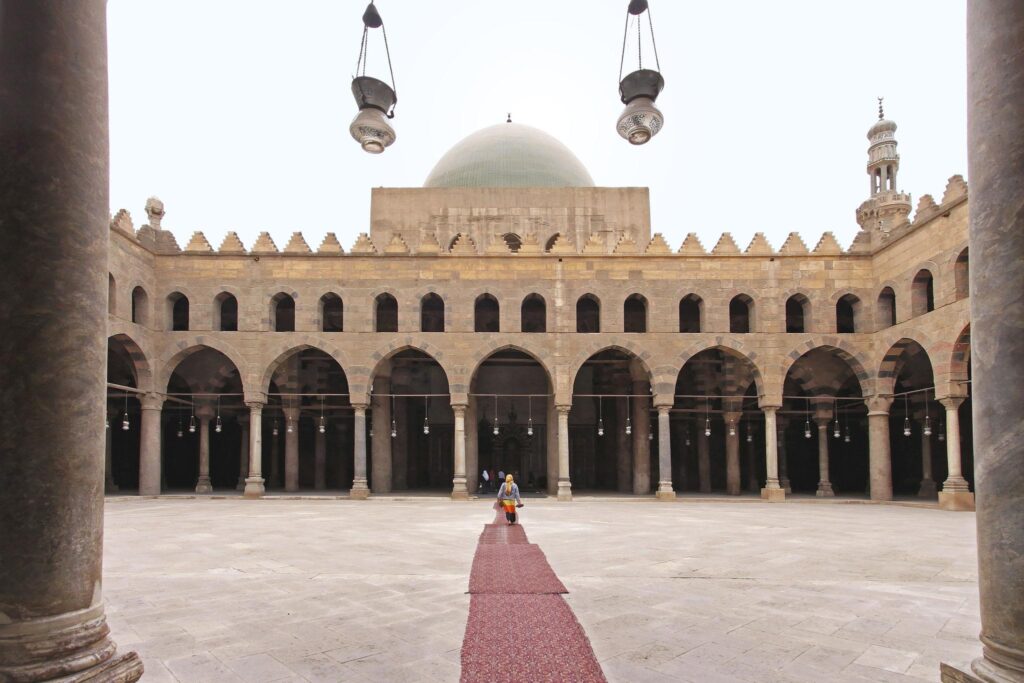
Salah al-Din, the founder of the Ayyubid dynasty and the first Sultan of Egypt and Syria, was one of the greatest military leaders in history. He is widely known for uniting much of the Islamic world and for his decisive victory at the Battle of Hattin, which led to the recapture of Jerusalem in 1187. His legacy remains deeply respected, and the Citadel stands as a lasting tribute to his strength and vision.
Today, the Cairo Citadel is considered one of the most important attractions in Egypt, offering visitors a unique opportunity to explore centuries of history in one place.
Egypt Nile Travel invites you to discover this historic fortress, where the legacy of one of history’s greatest leaders comes to life through its walls, architecture, and panoramic views over Cairo.
6. Memphis/ The Capital of Ancient Egypt:
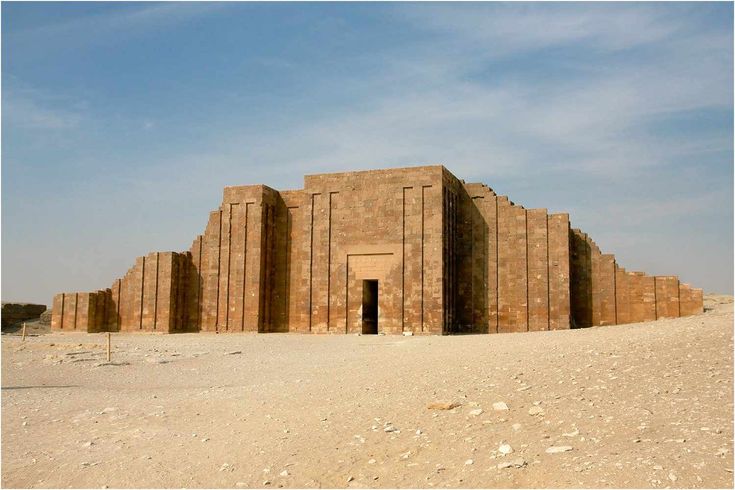
Memphis, the ancient capital of Egypt, stands as a powerful symbol of the country’s golden age and cultural brilliance. Founded around 3100 BC by King Menes (Narmer), the first ruler to unify Upper and Lower Egypt, the city held a strategic position at the head of the Nile Delta, allowing it to control trade routes and serve as a vital link between both regions of the country.
Known in ancient times as “Ineb-Hedj” or “The White Walls,” Memphis was a center of political power, administration, and royal residence for many centuries. It served as the capital during key periods including the Old, Middle, and New Kingdoms, housing palaces, administrative buildings, and playing a central role in Egypt’s economy and military strength.
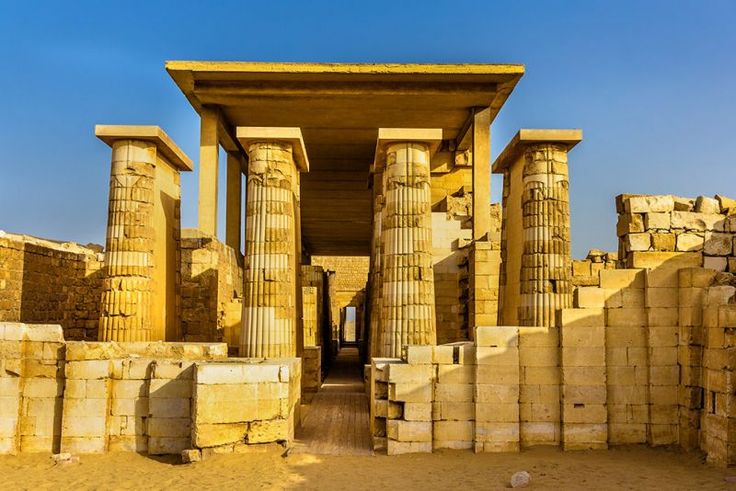
Memphis was also an important religious and cultural hub, particularly as the center of worship for the god Ptah, the creator deity and patron of craftsmen. The Temple of Ptah was one of the most significant religious institutions in ancient Egypt, and the city became a flourishing center for art, education, and architectural development that influenced the entire civilization.
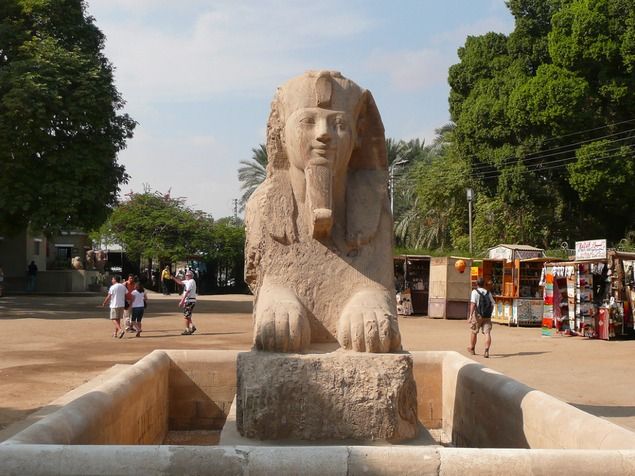
The significance of Memphis is closely connected to its vast necropolis, which includes some of Egypt’s most famous archaeological sites such as Giza, Saqqara, and Dahshur. These areas feature iconic monuments like the Great Pyramid, the Step Pyramid of Djoser, and numerous tombs and temples, reflecting the city’s deep religious and cultural importance.
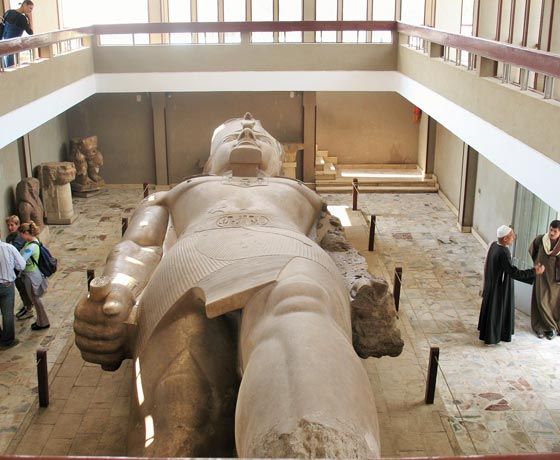
Over time, Memphis gradually declined as Thebes rose to prominence, and later invasions further reduced its status. However, modern archaeological discoveries have uncovered remarkable remains of the ancient city, including statues, temples, and burial sites. Today, Memphis and its necropolis are recognized as a UNESCO World Heritage Site, preserving the legacy of one of the greatest capitals in human history.
Egypt Nile Travel invites you to explore the timeless wonders of Memphis, where history, culture, and ancient power come together to tell the story of Egypt’s remarkable past.
7. Explore Coptic Cairo:
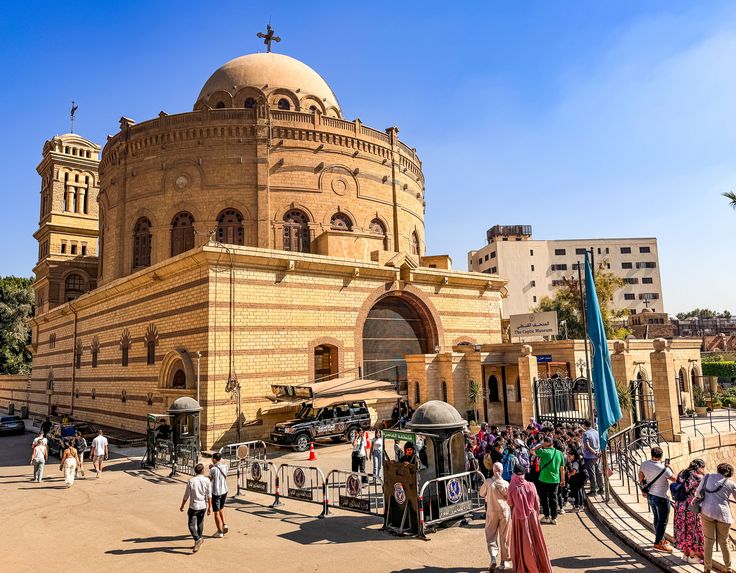
Coptic Cairo is one of the most historic and spiritual areas in the city, often described as an open-air museum that reflects the early history of Christianity in Egypt. Located within Old Cairo, this unique district brings together centuries of religious, cultural, and architectural heritage in one place, offering visitors a peaceful and authentic experience.
The area is home to some of Cairo’s most important religious landmarks, including the famous Hanging Church, known for its beautiful architecture and historic significance, as well as the Church of Saint Sergius and Bacchus, believed to be built over the site where the Holy Family once rested during their journey in Egypt. The Coptic Museum is another highlight, showcasing a rich collection of artifacts that tell the story of Coptic art and heritage through the centuries.
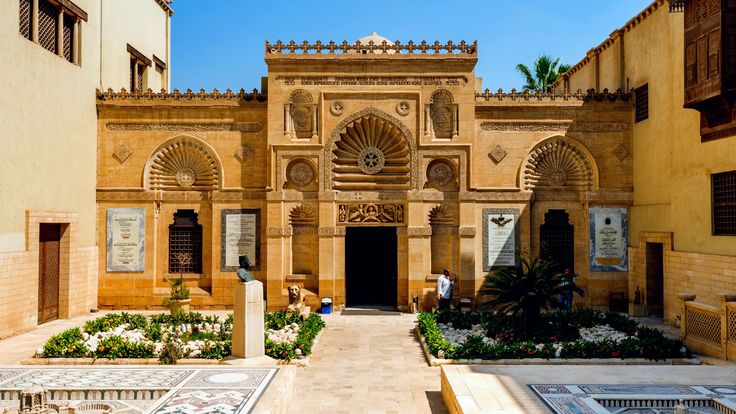
Coptic Cairo also reflects the diversity of Egypt’s history, with sites such as the Ben Ezra Synagogue standing as a symbol of the coexistence of different cultures and religions. Walking through this area allows visitors to explore narrow streets, ancient churches, and historic buildings that preserve the spirit of early Christian life in Egypt.
Egypt Nile Travel invites you to discover the beauty and depth of Coptic Cairo, where history, spirituality, and culture come together to create a truly unique and memorable experience.
8. Khan El-Khalili Bazaar:
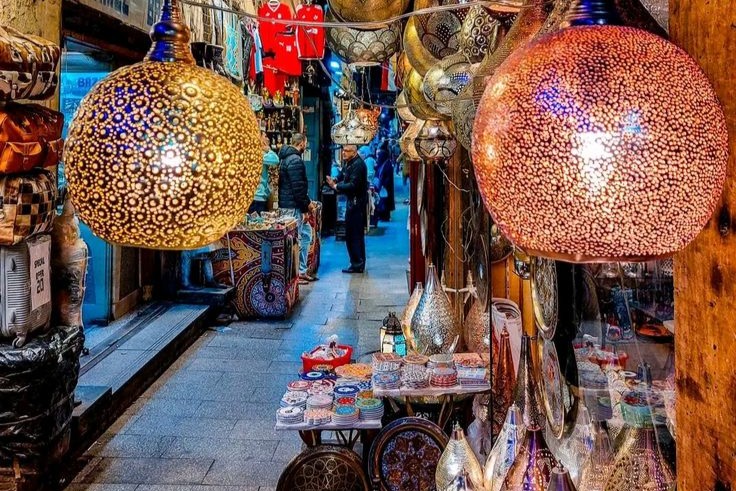
Khan El Khalili is one of the most famous and historic markets in Cairo, located in the heart of Islamic Cairo. Dating back to the 14th century, it remains a vibrant hub of culture, commerce, and daily life, where history meets the present in a unique and lively atmosphere.
As you walk through its narrow streets, you will find a wide variety of traditional goods, including handmade crafts, jewelry, spices, perfumes, textiles, and the iconic Egyptian lanterns. The market is also a great place to experience local life, interact with shop owners, and enjoy the lively atmosphere filled with colors, sounds, and aromas.
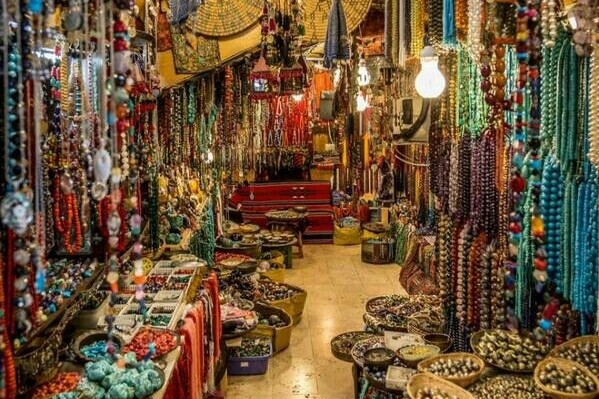
Khan El Khalili is not only a shopping destination, but also a cultural experience. Visitors can relax at traditional cafés, such as the famous El Fishawy Café, and enjoy authentic Egyptian drinks while taking in the unique surroundings.
Egypt Nile Travel invites you to explore Khan El Khalili, where every corner tells a story, and every visit offers a memorable glimpse into the spirit of Cairo.
Cairo is a city that loves to be explored. Let Egypt Nile Travel show you the quiet, special corners that make you fall in love with Egypt’s everyday life. Start your journey with us today

