


Luxor Attractions and Things To Do
Luxor attractions span both banks of the Nile, from Karnak and Luxor Temple to royal tombs and museum collections. This guide groups the city’s monuments by area so you can see how the East Bank and West Bank fit into your visit. Known in ancient times as Thebes, Luxor offers a close look at Egypt’s temples, burial traditions and daily life.
For a shorter activity overview, see our Luxor sightseeing ideas. To explore beyond the main temple stops, read our guide to the tombs and temples of the West Bank.
Luxor Attractions on the East and West Banks
On the West Bank, the Valley of the Kings is one of the most important archaeological sites in the world, serving as the burial place of ancient Egyptian pharaohs. Among its many tombs, the tomb of Tutankhamun remains the most famous, while the colorful wall paintings found throughout the tombs provide fascinating insights into ancient Egyptian beliefs about the afterlife.
Beyond its historical landmarks, Luxor offers a variety of unique experiences. A sunrise hot air balloon ride provides breathtaking panoramic views over the Nile, temples, and desert landscapes, while a Nile cruise offers a relaxing way to explore the beauty of the region in comfort. Visitors can also explore the Luxor Museum, which displays a remarkable collection of statues, artifacts, and mummies, or enjoy a walk through the local markets, where traditional crafts and souvenirs reflect the vibrant culture of the city.
Egypt Nile Travel invites you to discover Luxor, where ancient history and modern experiences come together to create an unforgettable journey.
1. Luxor East Bank:
- Luxor Temple
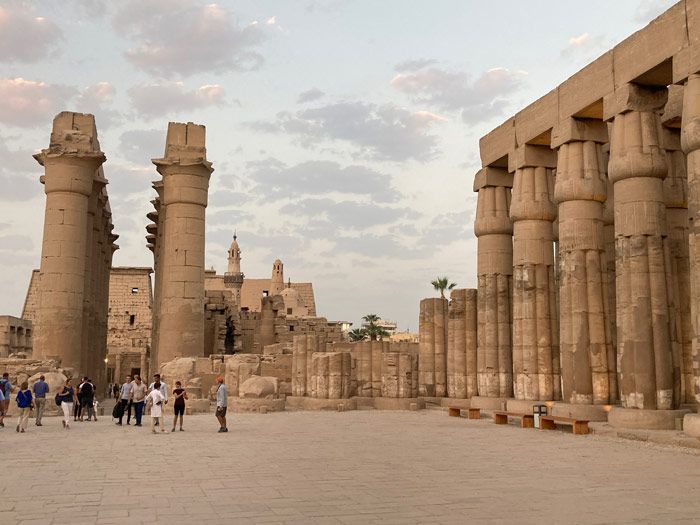
Luxor Temple is one of the most iconic landmarks in Egypt, located in the heart of Luxor on the east bank of the Nile. Unlike many other temples in Egypt, it was not dedicated to a single god but was primarily associated with royal ceremonies and the rejuvenation of kingship, making it a unique symbol of ancient Egyptian power and tradition.
Built mainly during the reign of Amenhotep III and later expanded by Ramses II, the temple showcases impressive architecture, including massive statues, grand courtyards, and a magnificent colonnade lined with towering columns. At the entrance, visitors are welcomed by large statues of Ramses II, reflecting the grandeur and authority of ancient Egyptian rulers.
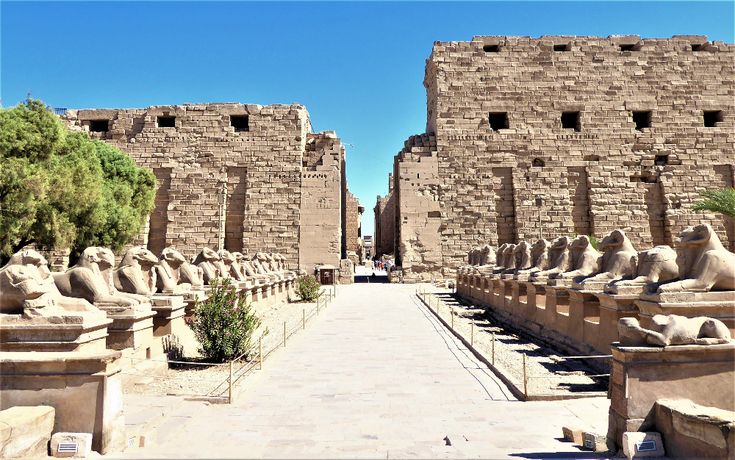
One of the most remarkable features of Luxor Temple is its connection to Karnak Temple through the Avenue of Sphinxes, a ceremonial road that was once used during the Opet Festival, one of the most important religious celebrations in ancient Thebes.
Today, Luxor Temple offers a unique atmosphere, especially at night when it is beautifully illuminated, creating a magical experience that brings ancient history to life. Its central location in the city makes it a must-visit site for anyone exploring Luxor.
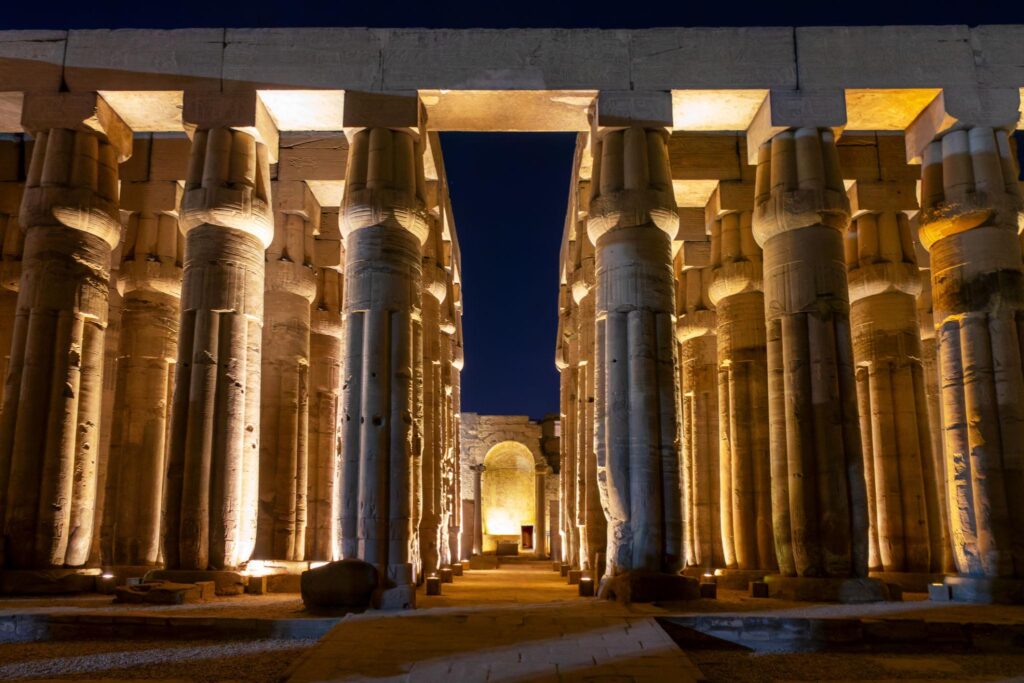
Egypt Nile Travel invites you to discover the beauty and history of Luxor Temple, where every stone tells a story of ancient glory and timeless heritage.
- The Karnak Temple Complex
The Karnak Temple Complex is one of the largest and most impressive religious sites ever built, located on the east bank of the Nile in Luxor. It is not a single temple, but a vast complex of temples, halls, pylons, and obelisks built and expanded over thousands of years by different pharaohs.
Dedicated primarily to the god Amun-Ra, Karnak was the most important religious center in ancient Egypt. The complex reflects the power and devotion of generations of rulers who contributed to its construction, leaving behind a remarkable architectural legacy.
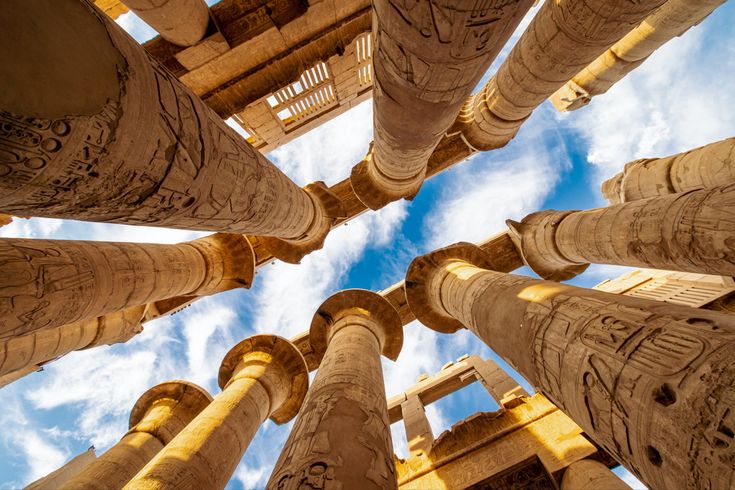
One of the highlights of Karnak is the Great Hypostyle Hall, famous for its massive forest of towering columns covered with detailed carvings and hieroglyphs. Visitors can also explore the Sacred Lake, used for religious rituals, as well as impressive obelisks and monumental gateways that mark different sections of the temple.
Karnak is connected to Luxor Temple by the Avenue of Sphinxes, a ceremonial road that was once used during important religious festivals such as the Opet Festival.
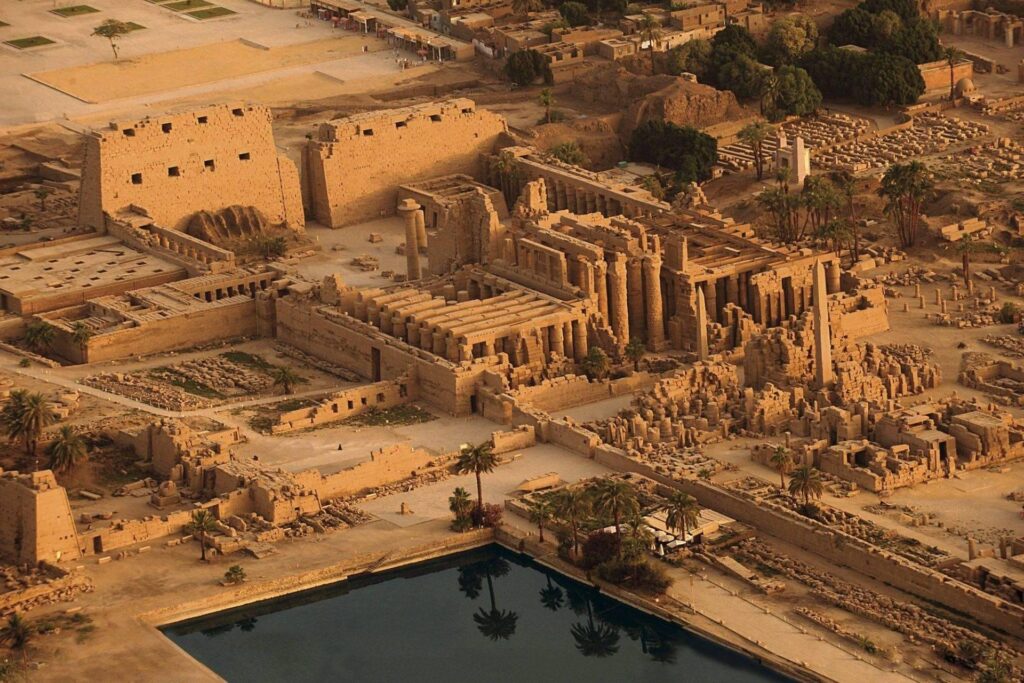
Today, Karnak Temple stands as a symbol of the greatness of ancient Egyptian civilization, offering visitors an unforgettable journey through history, architecture, and spirituality.
Egypt Nile Travel invites you to explore Karnak Temple, where the scale, beauty, and history of ancient Egypt come together in one extraordinary place.
- Luxor Museum
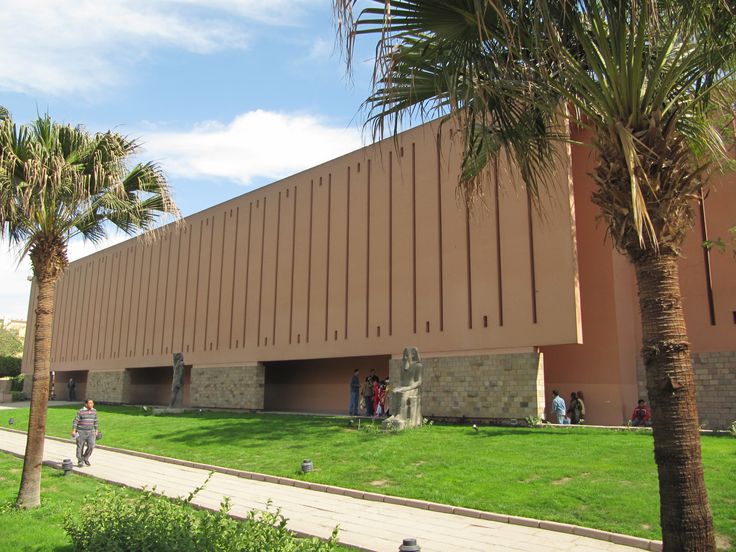
Luxor Museum is one of the finest and most well-organized museums in Egypt, located on the east bank of the Nile in Luxor. Unlike larger museums, it offers a more focused and refined experience, with carefully selected artifacts displayed in a modern and elegant setting.
The museum houses an exceptional collection of statues, sculptures, and objects discovered in and around Luxor, providing insight into the city’s rich ancient history. Among the highlights are beautifully preserved statues of pharaohs, as well as a remarkable collection of artifacts from temples and tombs in the Theban area.
One of the most unique features of Luxor Museum is the quality of its presentation, where each piece is displayed with clear lighting and space, allowing visitors to fully appreciate the details and craftsmanship of ancient Egyptian art.
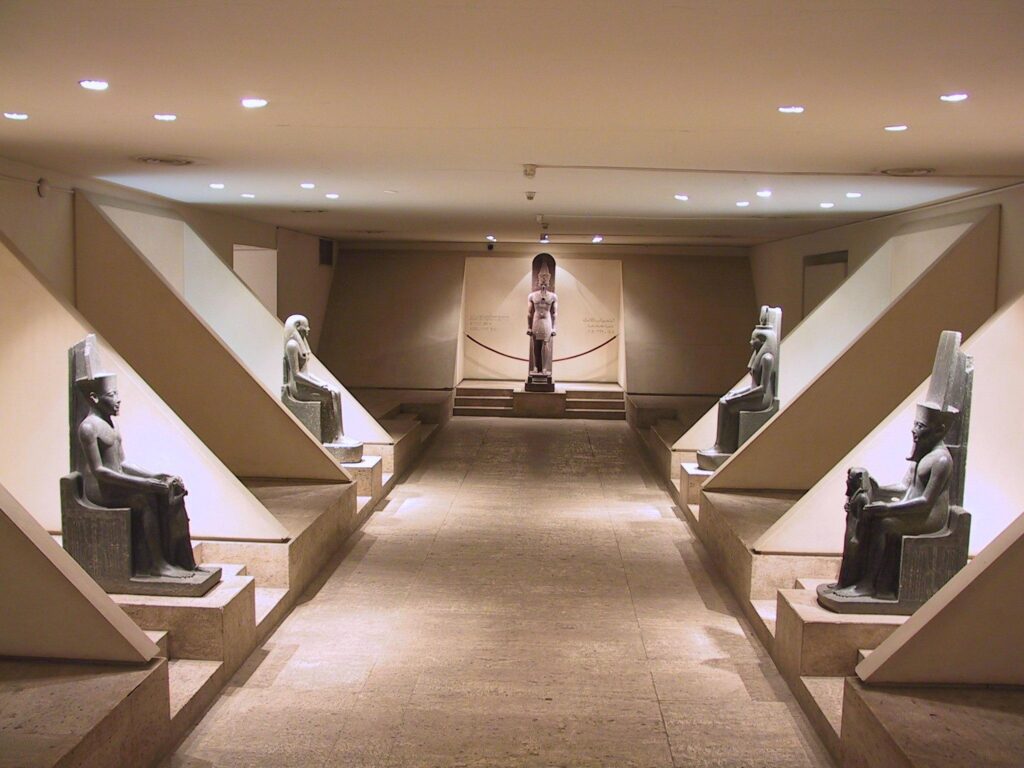
Luxor Museum offers a calm and immersive atmosphere, making it an ideal stop for those who wish to explore ancient history in a more relaxed and intimate setting.
- Mummification Museum:
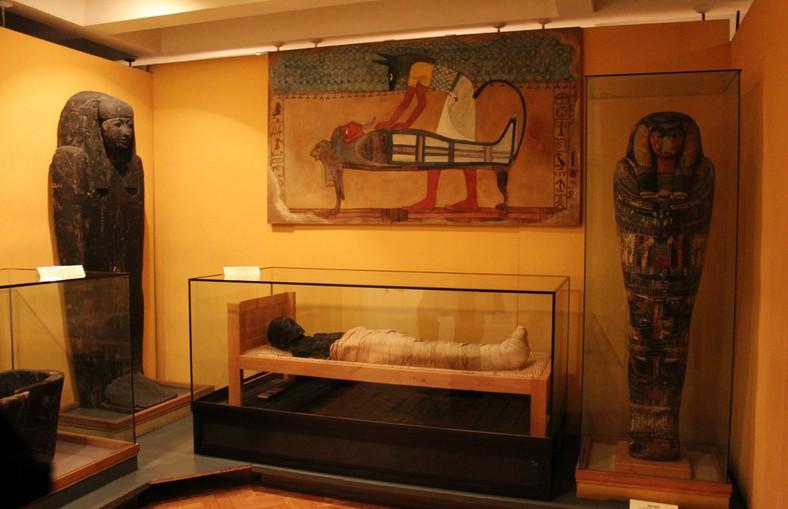
The Mummification Museum, located on the east bank of the Nile in Luxor, offers a unique insight into one of the most fascinating practices of ancient Egyptian civilization—the art of mummification. This specialized museum focuses on the techniques, tools, and rituals used to preserve the dead for the afterlife.
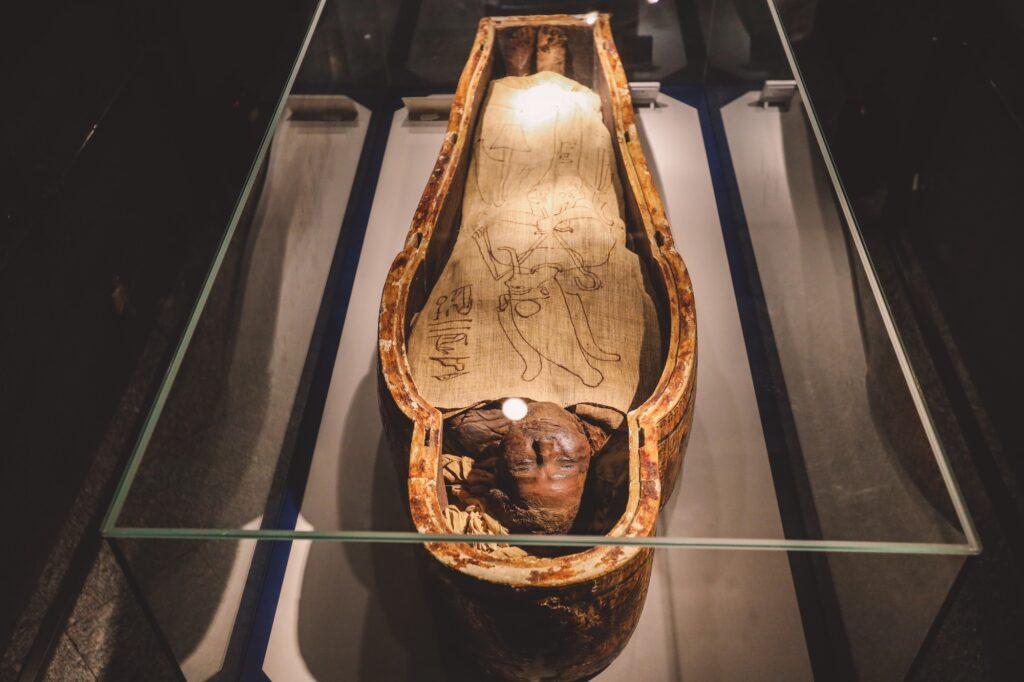
Inside the museum, visitors can explore a well-organized collection of artifacts, including embalming tools, canopic jars, and detailed explanations of the mummification process. The exhibits clearly illustrate how ancient Egyptians prepared both humans and animals for burial, reflecting their deep beliefs in immortality and the afterlife.
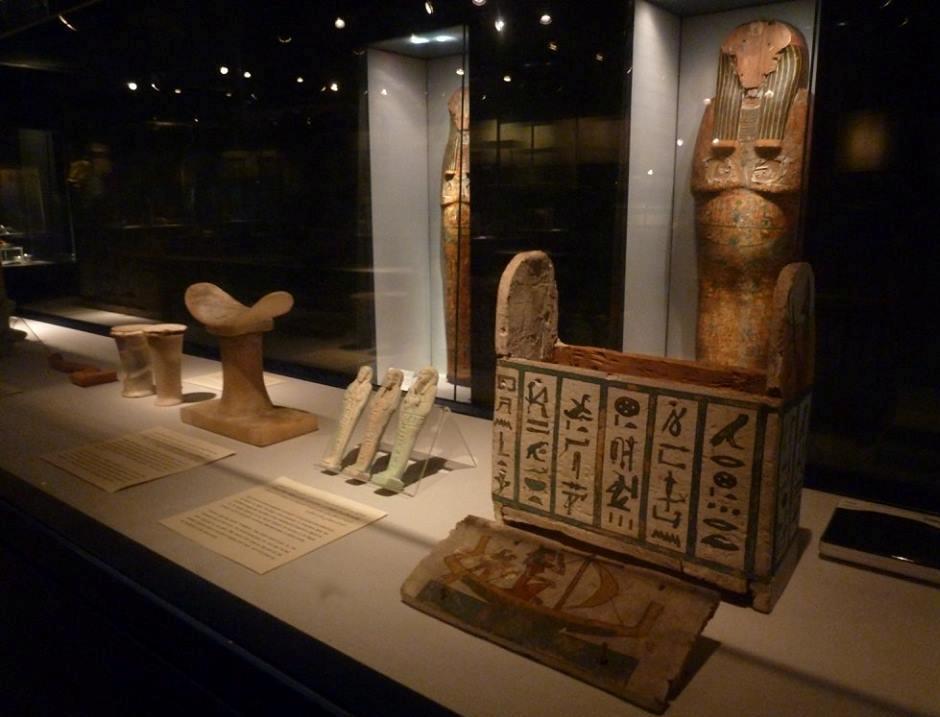
One of the highlights of the museum is the display of both human and animal mummies, offering a closer look at the results of these ancient techniques. The museum presents the subject in a simple and engaging way, making it easy to understand even for first-time visitors.
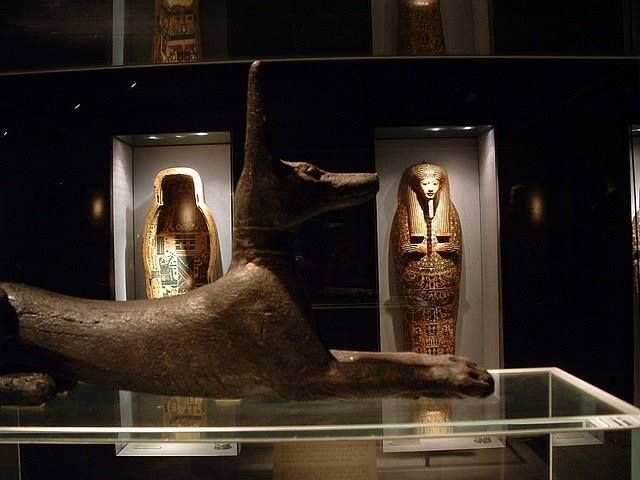
The Mummification Museum provides a compact yet informative experience, making it an excellent addition to any Luxor itinerary for those interested in the spiritual and scientific aspects of ancient Egypt.
Egypt Nile Travel invites you to discover the secrets of mummification, where history, belief, and science come together in one fascinating place.
- Karnak Temple Sound & Light Show:
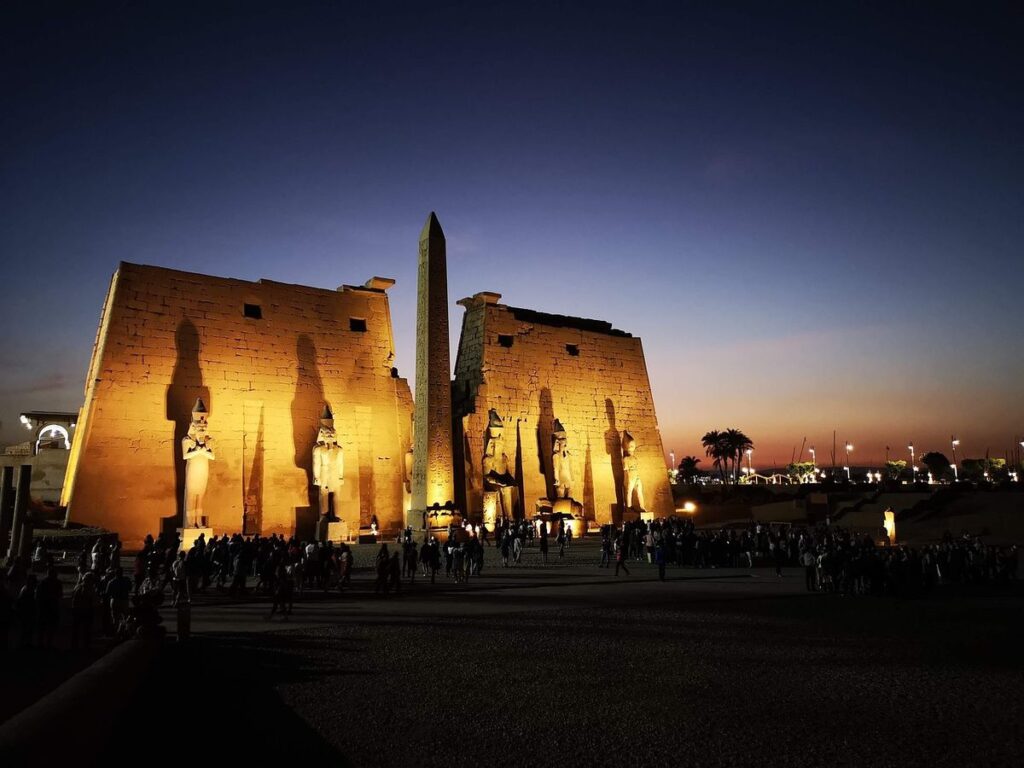
The Karnak Sound & Light Show offers a magical way to experience the grandeur of Karnak Temple after sunset. As darkness falls, the temple comes to life through dramatic lighting and immersive storytelling, guiding visitors through the history of ancient Thebes.
During the show, you will walk through different sections of the temple complex while listening to a narrated story that brings the voices of ancient pharaohs and gods to life. The journey ends by the Sacred Lake, where you can sit and enjoy the final part of the show in a truly atmospheric setting.
The combination of light effects, music, and narration creates a unique experience that highlights the scale and beauty of Karnak in a completely different way compared to daytime visits.
Egypt Nile Travel invites you to enjoy this unforgettable evening experience, where history is told in a captivating and memorable way under the stars of Luxor.
2. Luxor West Bank:
- The Valley of the Kings:
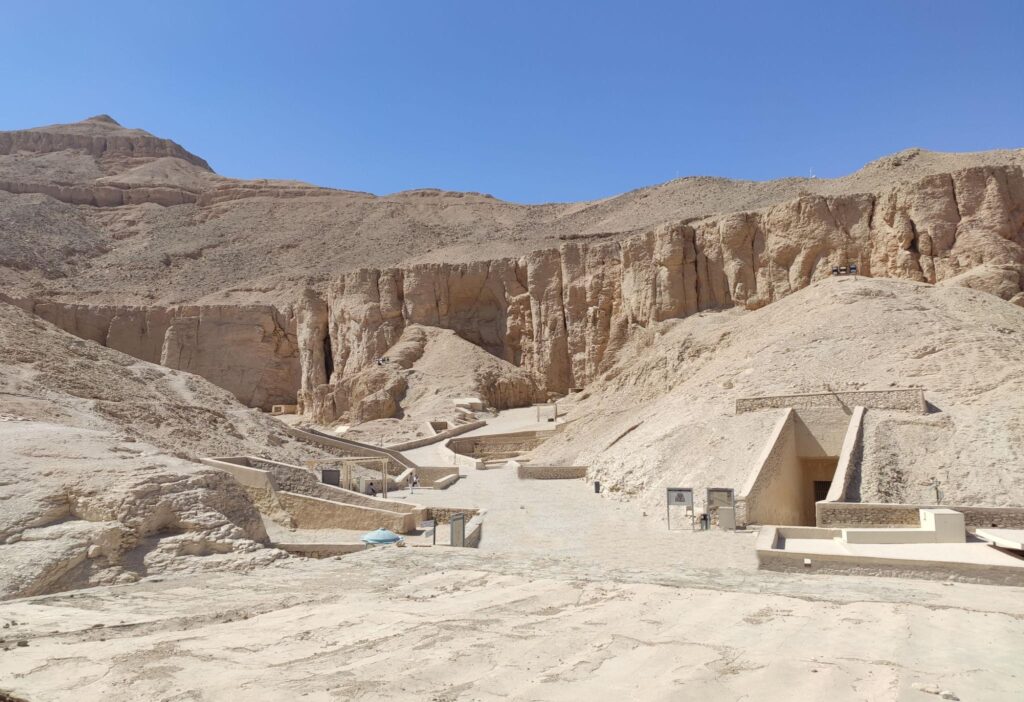
The Valley of the Kings, located on the west bank of Luxor, is one of the most important archaeological sites in Egypt and the main burial ground of the pharaohs of the New Kingdom. Hidden within the desert hills, this remarkable valley was chosen as a royal necropolis for its natural secluded setting, designed to protect the tombs and their treasures.
The valley contains more than 60 tombs, each uniquely decorated with vibrant wall paintings and hieroglyphs that illustrate ancient Egyptian beliefs about the afterlife. Among the most famous is the tomb of Tutankhamun, discovered in 1922, which remains one of the most significant archaeological finds in history.
Visitors can explore selected tombs that are open to the public, where they can admire the detailed artwork and experience the atmosphere of ancient royal burials. Each tomb tells a different story, reflecting the journey to the afterlife and the importance of religion in ancient Egyptian culture.
The Valley of the Kings offers a truly unforgettable experience, combining history, mystery, and breathtaking desert scenery, making it a must-visit destination in Luxor.
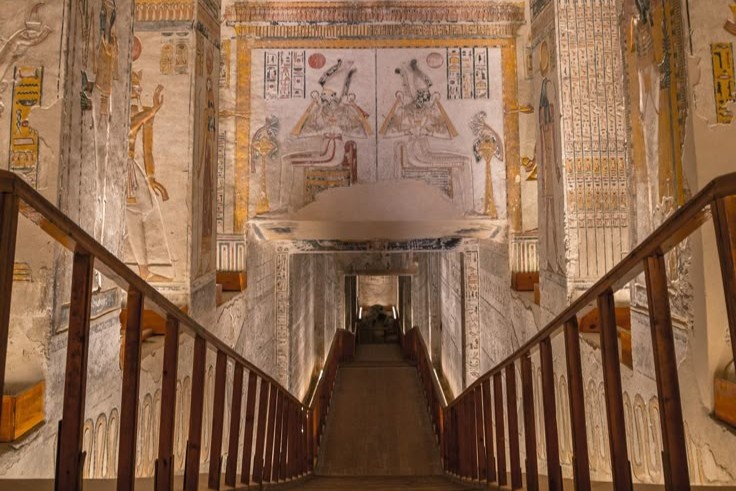
Egypt Nile Travel invites you to discover the secrets of the Valley of the Kings, where the legacy of ancient pharaohs lives on beneath the sands of time.
- Hatshepsut Temple:
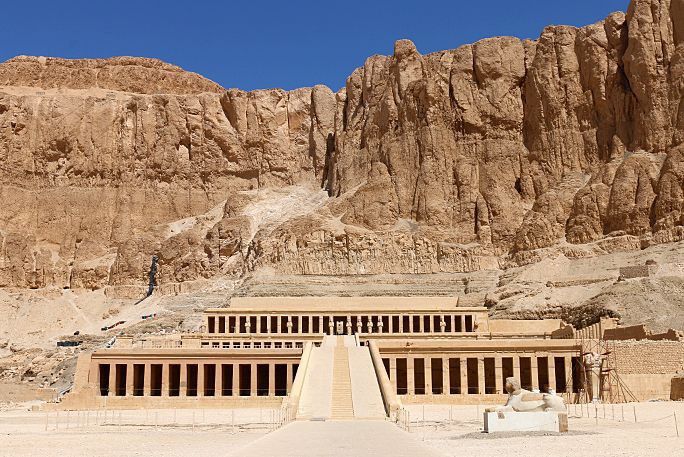
The Temple of Hatshepsut is one of the most unique and impressive monuments in Luxor, located on the west bank of the Nile at Deir el-Bahari. Built for Queen Hatshepsut, one of the most powerful female pharaohs in ancient Egypt, the temple stands as a remarkable example of elegance and architectural innovation.
Designed in a series of terraces rising against the dramatic limestone cliffs, the temple blends harmoniously with its natural surroundings, creating a breathtaking visual effect. Its symmetrical design, wide ramps, and colonnaded halls make it distinct from other temples in Egypt.
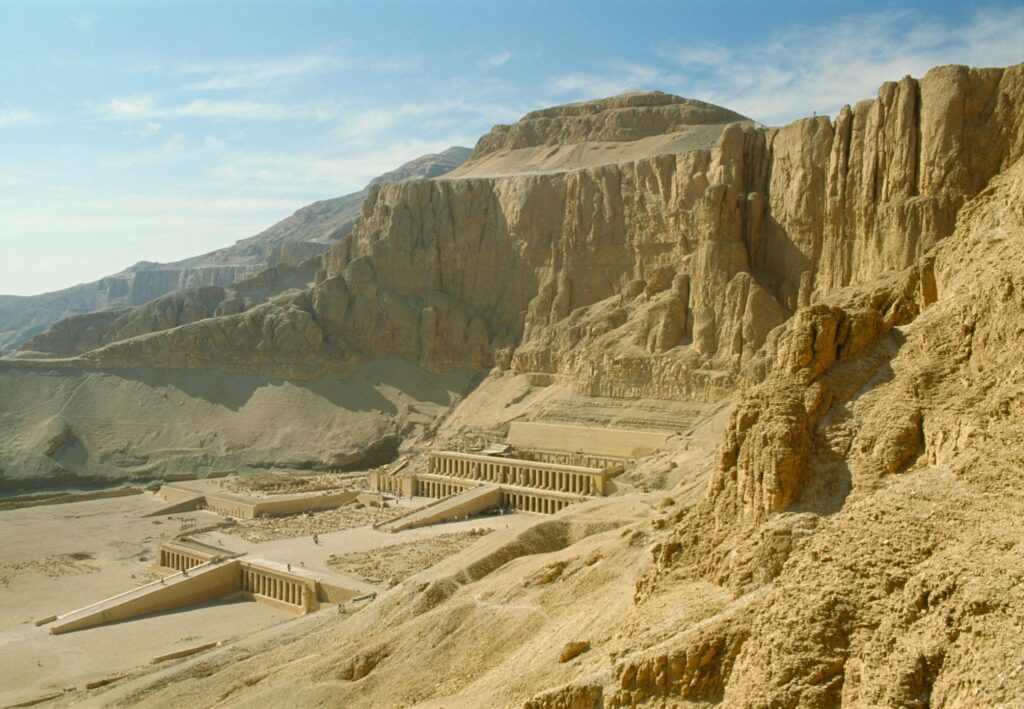
The walls of the temple are decorated with detailed reliefs that depict important events from Hatshepsut’s reign, including her famous trading expedition to the Land of Punt. These scenes provide valuable insight into ancient Egyptian trade, politics, and daily life.
Today, the Temple of Hatshepsut is considered one of the highlights of Luxor’s West Bank, offering visitors a combination of history, architecture, and stunning scenery.
Egypt Nile Travel invites you to explore the beauty and legacy of Queen Hatshepsut’s temple, where power, design, and history come together in one extraordinary site.
- Medinet Habu:
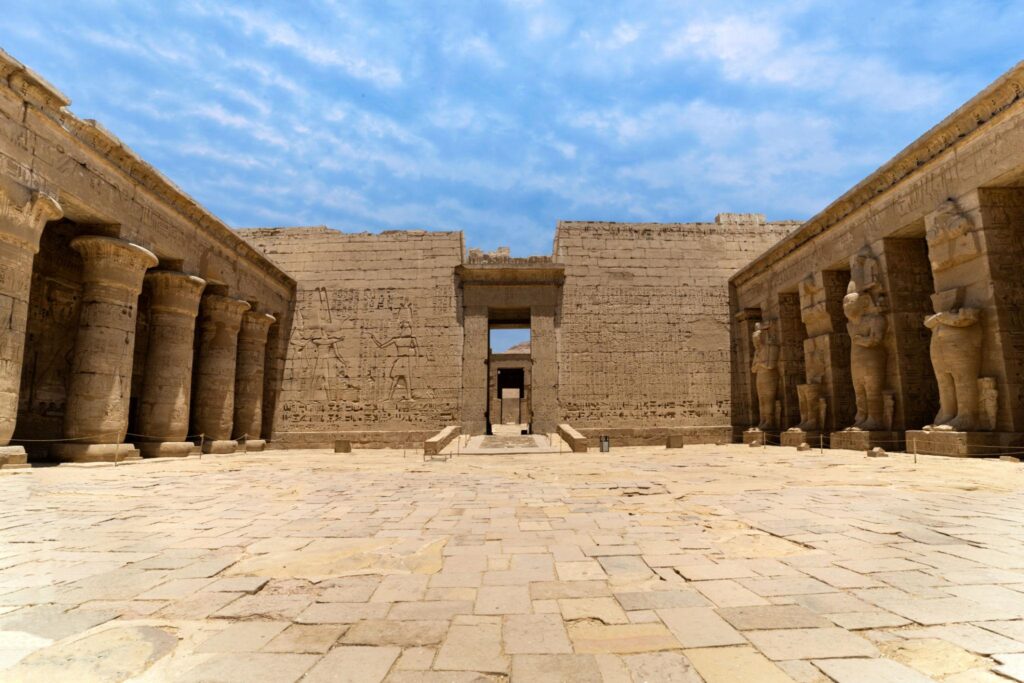
Medinet Habu is one of the most impressive and well-preserved temples on Luxor’s West Bank. Built during the reign of Ramses III, it is known for its massive structure, detailed reliefs, and fortress-like design, making it stand out from other temples in the area.
The temple is surrounded by high walls, giving it the appearance of a fortified complex, and its entrance resembles a defensive gateway. Inside, visitors can explore large courtyards, towering columns, and beautifully preserved carvings that still retain much of their original detail.
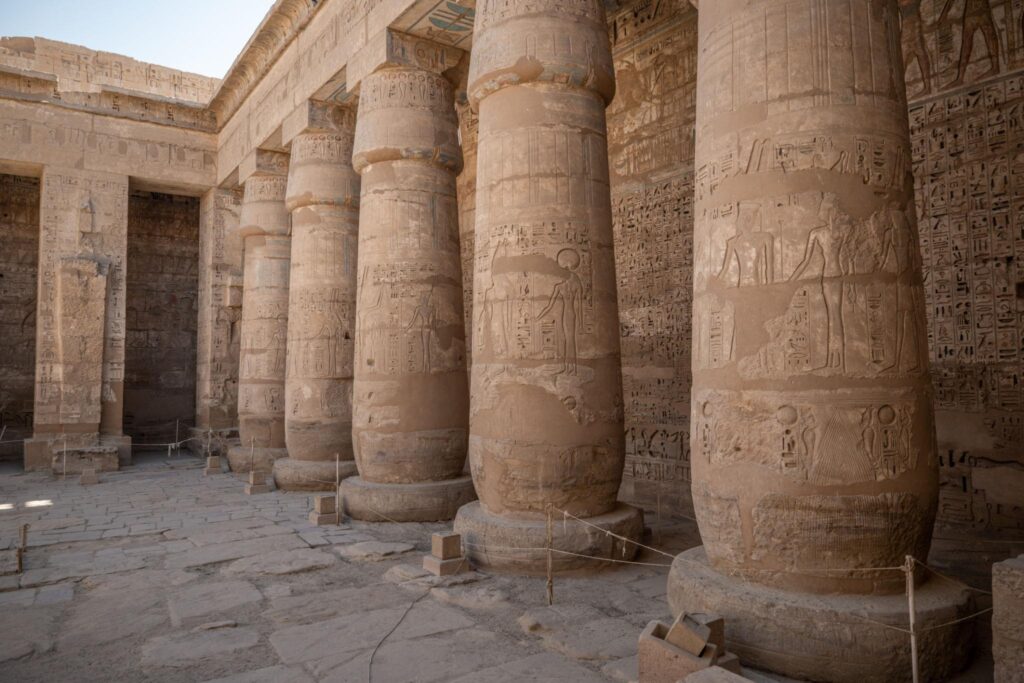
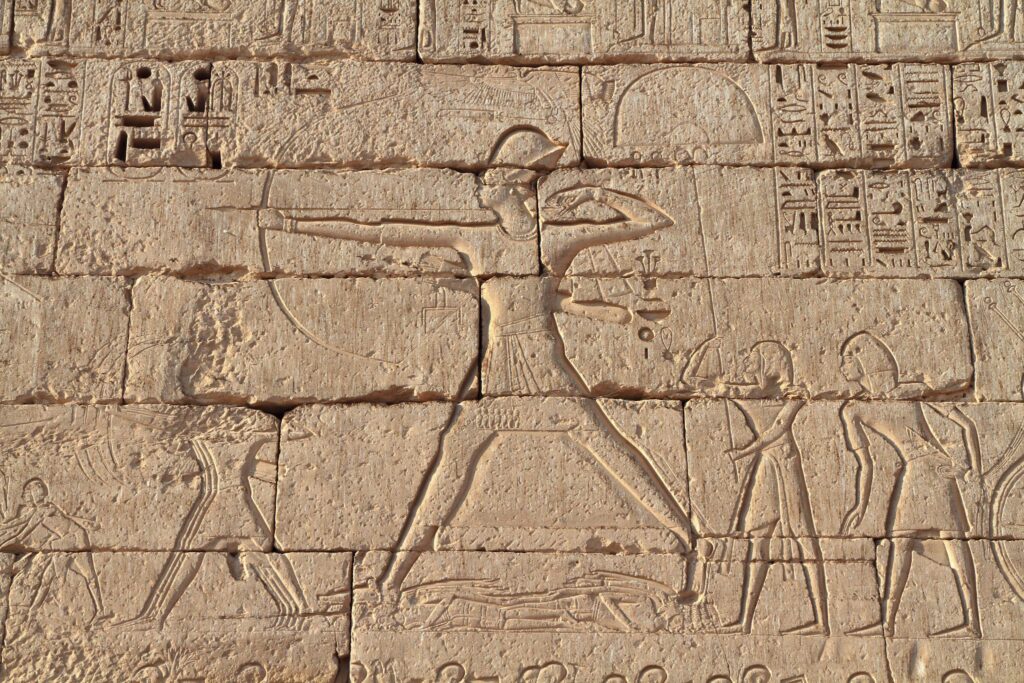
One of the highlights of Medinet Habu is the vivid wall scenes that depict military victories and important events from the reign of Ramses III, offering a deeper understanding of ancient Egyptian history and power.
Compared to other famous sites in Luxor, Medinet Habu is less crowded, allowing visitors to enjoy a more peaceful and immersive experience while exploring its impressive architecture and artwork.
Egypt Nile Travel invites you to discover Medinet Habu, a hidden gem where history, strength, and artistry come together in one remarkable place.
- The Valley of The Queens:
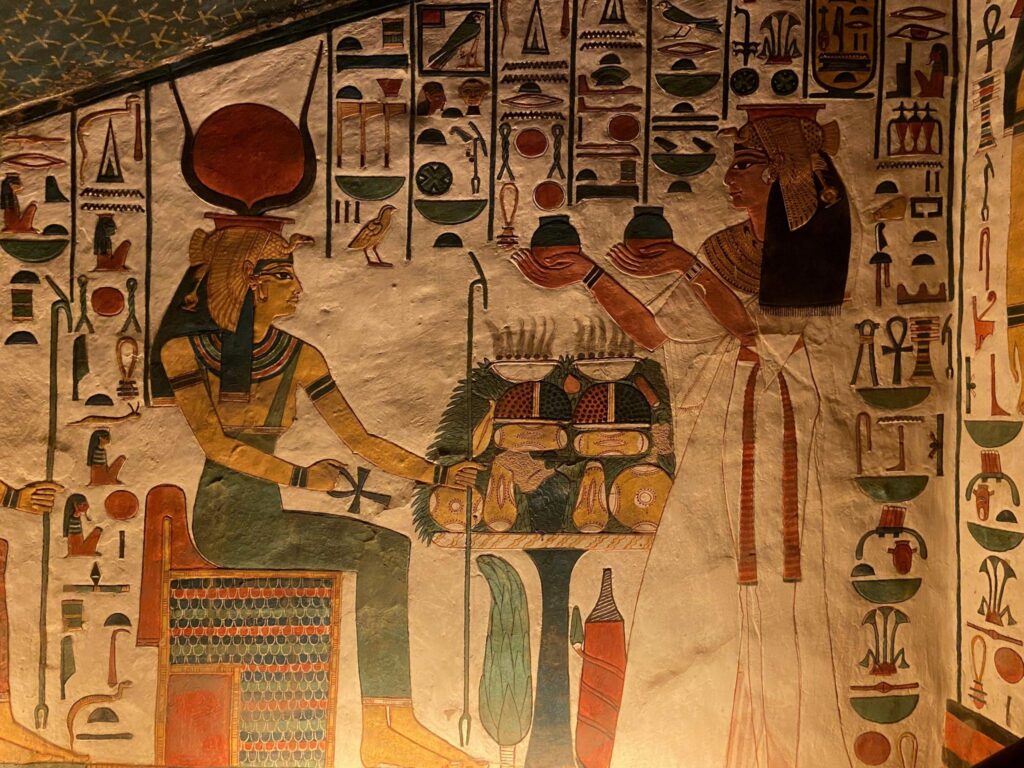
The Valley of the Queens, located on the west bank of Luxor, is the burial place of the queens and royal family members of ancient Egypt. Hidden within the desert landscape, this peaceful valley was chosen as a sacred site for royal burials, reflecting the importance of the afterlife in ancient Egyptian beliefs.
The valley contains numerous tombs, many of which are beautifully decorated with vibrant wall paintings and detailed hieroglyphs that illustrate scenes from ancient Egyptian mythology and the journey to the afterlife.
One of the most famous tombs in the valley is that of Queen Nefertari, known for its exceptional artwork and vivid colors, often considered among the most beautiful tombs in Egypt.
Compared to the Valley of the Kings, the Valley of the Queens offers a quieter and more intimate experience, allowing visitors to explore the tombs in a calm and less crowded environment.
Egypt Nile Travel invites you to discover the Valley of the Queens, where elegance, history, and artistry come together beneath the sands of Luxor.
- Colossi of Memnon:
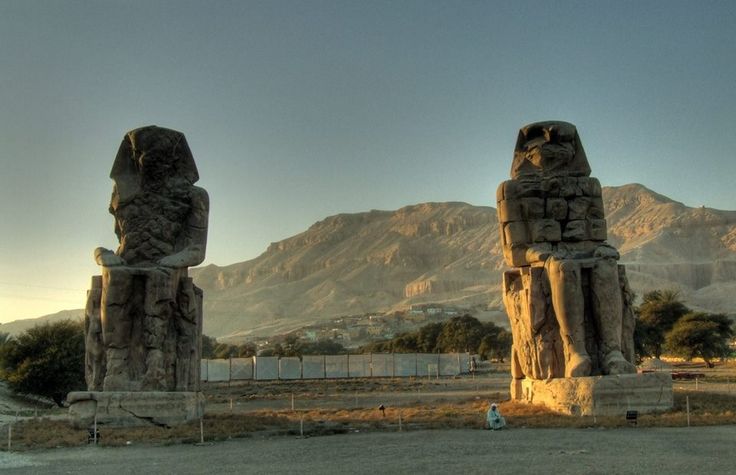
The Colossi of Memnon are two massive stone statues located on the west bank of Luxor, standing as silent guardians of the ancient Theban necropolis. These impressive statues represent Pharaoh Amenhotep III and have stood for over 3,000 years.
Each statue rises about 18 meters high and was originally part of a grand mortuary temple that no longer exists today. Despite the damage caused by time and natural elements, the statues remain one of the most iconic landmarks in Luxor.
The Colossi became famous in ancient times for a mysterious phenomenon, where one of the statues was said to produce a sound at sunrise, giving it the name “Memnon” after a legendary figure.
Today, the site is a popular stop for visitors exploring Luxor’s West Bank, offering a quick yet impressive glimpse into the scale and grandeur of ancient Egyptian art and architecture.
Egypt Nile Travel invites you to visit the Colossi of Memnon, where history stands tall in one of Luxor’s most recognizable landmarks.
- Tutankhamun’s Tomb:
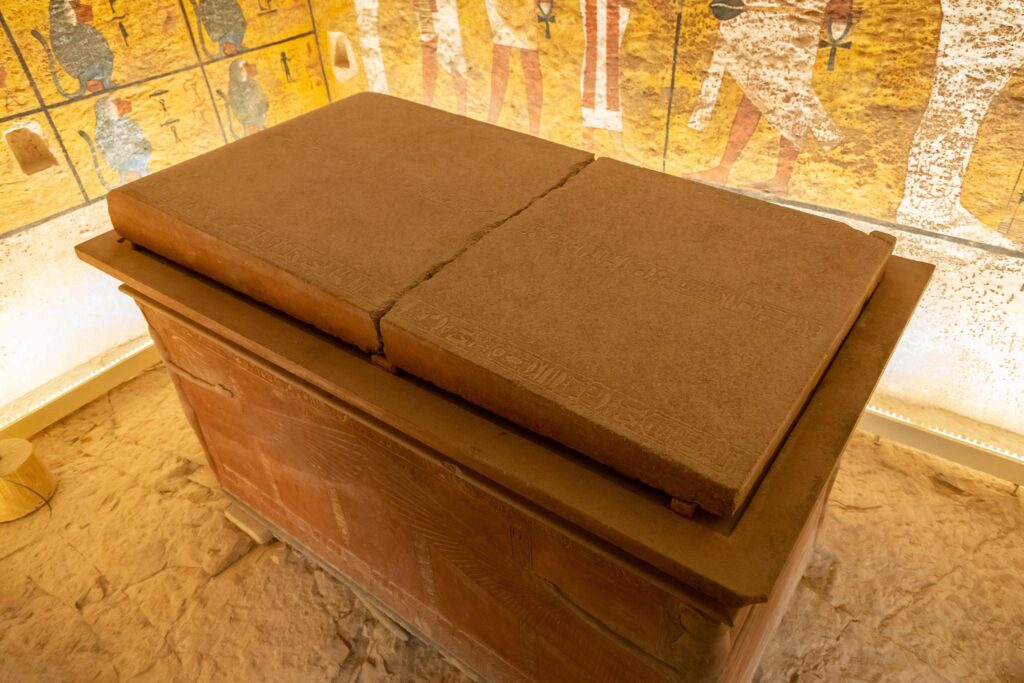
The Tomb of Tutankhamun, located in the Valley of the Kings on Luxor’s West Bank, is one of the most famous archaeological discoveries in the world. Known as KV62, the tomb was discovered in 1922 and remains a highlight for visitors exploring the valley.
Unlike many other royal tombs, Tutankhamun’s tomb is relatively small, yet it holds great historical significance. Inside, visitors can explore the burial chamber, where the walls are decorated with vivid scenes depicting the young king’s journey to the afterlife.
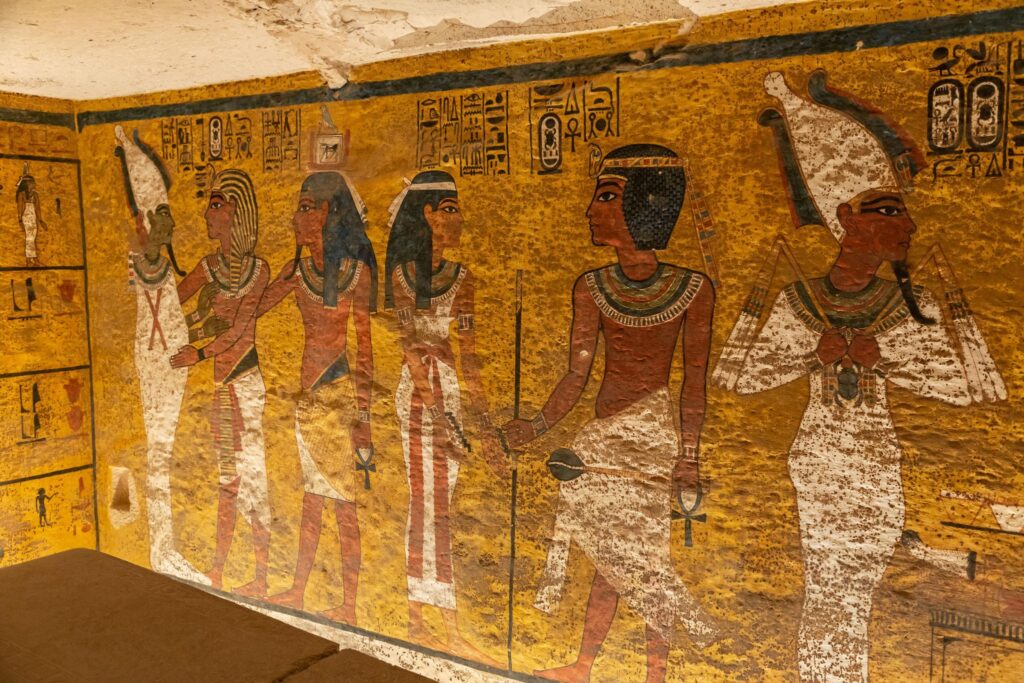
One of the most unique aspects of the tomb is that the mummy of Tutankhamun is still preserved inside, allowing visitors to see it in its original resting place. The tomb offers a rare and personal glimpse into ancient Egyptian burial practices.
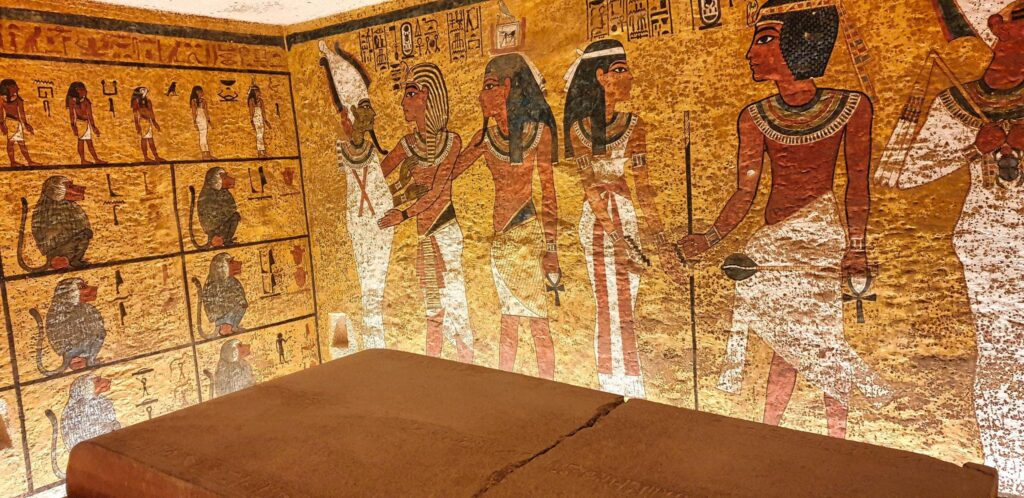
Today, the Tomb of Tutankhamun is one of the most visited sites in Luxor, offering an unforgettable experience that combines history, mystery, and discovery.
Egypt Nile Travel invites you to explore the tomb of the young king, where one of the greatest stories of ancient Egypt was uncovered beneath the sands of time.
- Ramesseum (Temple of Ramses II):
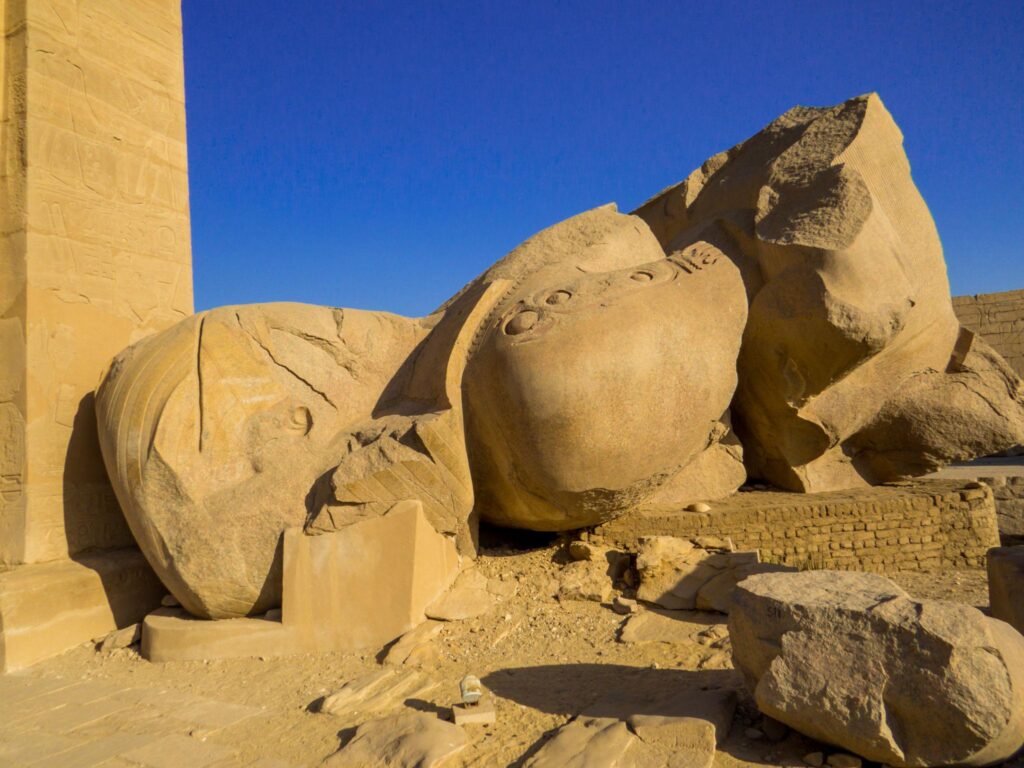
The Ramesseum is the mortuary temple of Pharaoh Ramses II, located on the west bank of Luxor. Once a grand and powerful complex, it was built to honor the king and celebrate his legacy, standing as a symbol of strength and royal authority.
Although much of the temple is now in ruins, it still impresses visitors with its massive remains, including the fallen colossal statue of Ramses II, which gives a clear sense of the scale and grandeur of the original structure.
Inside the temple, visitors can explore the remains of large halls and courtyards, along with detailed wall carvings that depict scenes from the reign of Ramses II, including his famous military victories.
Compared to other temples in Luxor, the Ramesseum offers a quieter and more atmospheric experience, allowing visitors to appreciate its history and architecture in a peaceful setting.
Egypt Nile Travel invites you to discover the Ramesseum, where the legacy of Ramses II lives on through its impressive ruins and timeless stories.
3. Hot Air Balloon Ride in Luxor:
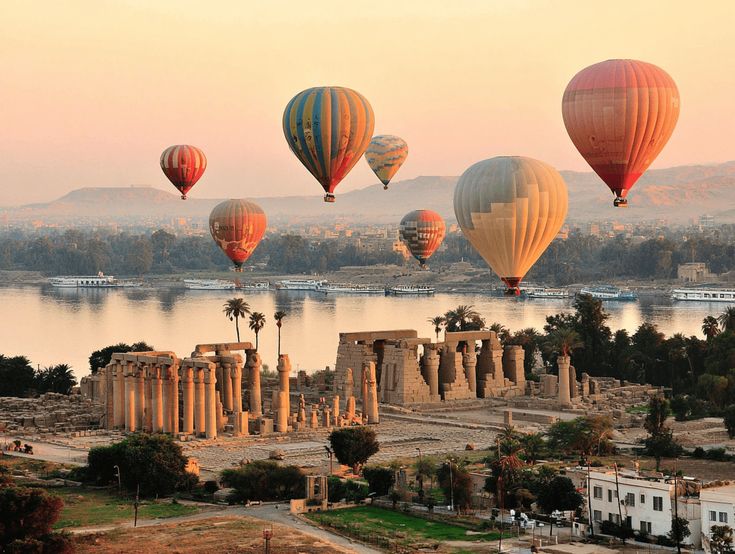
A hot air balloon ride in Luxor is one of the most unforgettable experiences you can have in Egypt. Taking place early in the morning at sunrise, this activity offers a breathtaking panoramic view over the Nile River, the West Bank monuments, and the surrounding desert landscape.
Your experience begins with an early pickup and transfer to the launch site, where you will receive a safety briefing before boarding the balloon. As the sun rises, the balloon gently lifts into the sky, providing a peaceful and magical view of Luxor from above.
From the air, you can admire iconic sites such as the Valley of the Kings, Hatshepsut Temple, and the vast farmlands along the Nile, all illuminated by the soft morning light.
The ride usually lasts around 30 to 45 minutes, followed by a smooth landing and transfer back to your location.
Egypt Nile Travel invites you to enjoy this unique adventure, where you can witness the beauty of Luxor from a completely different perspective and create unforgettable memories.
4. Dendera Temple:
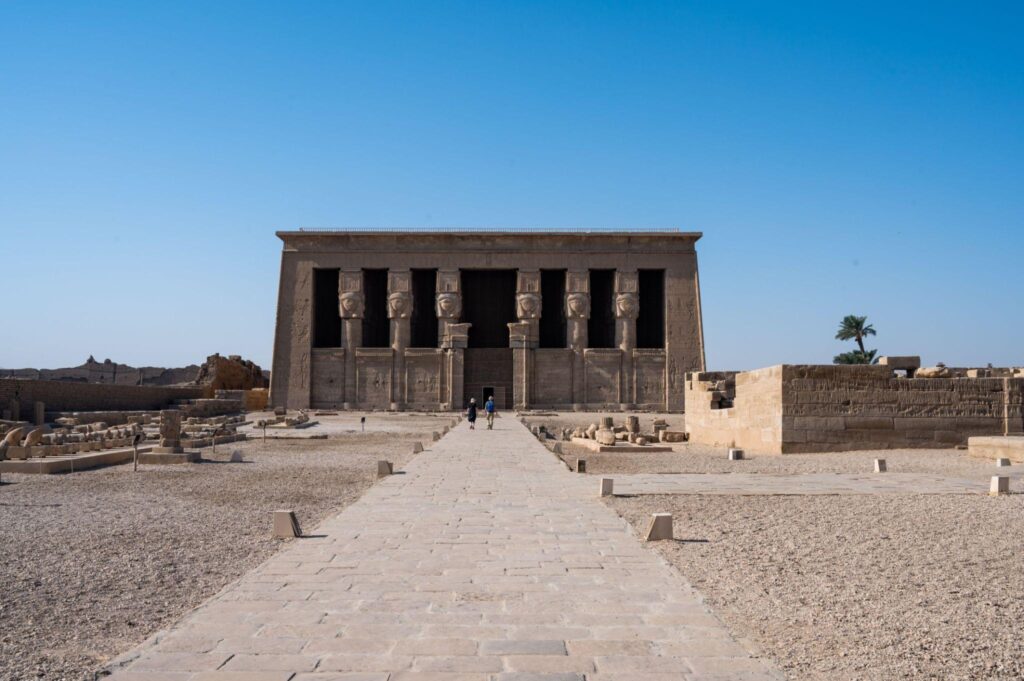
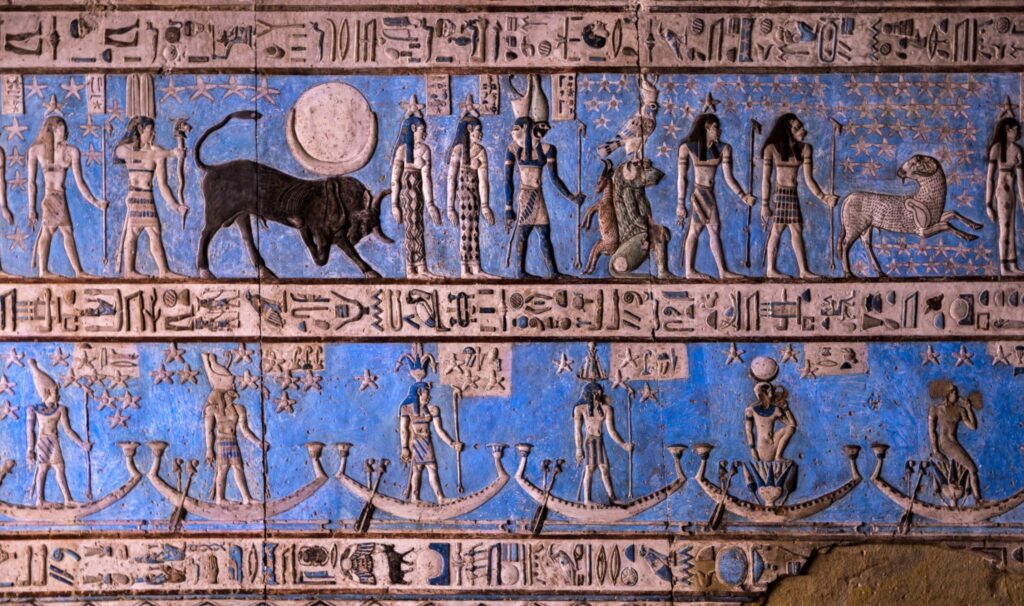
Dendera Temple, located north of Luxor on the west bank of the Nile, is one of the best-preserved temple complexes in Egypt. Dedicated to the goddess Hathor, the temple is famous for its remarkably well-preserved ceilings, vibrant colors, and detailed reliefs.
The temple stands out for its impressive architecture, including massive columns decorated with the face of Hathor, as well as beautifully carved walls that still retain much of their original detail. One of its most unique features is the decorated ceiling, which includes astronomical scenes and the famous zodiac, making it one of the most visually striking temples in Egypt.
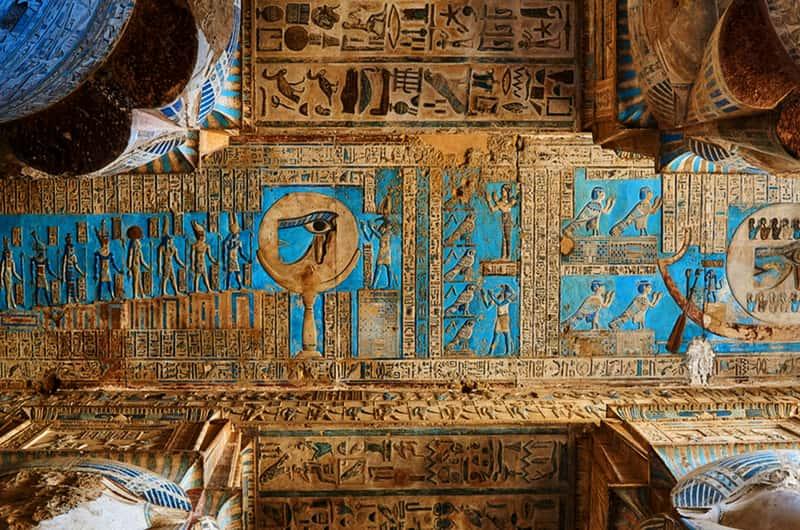
Visitors can explore the interior halls, climb to the rooftop for panoramic views, and discover hidden chambers that add a sense of mystery to the site.
Compared to other temples, Dendera offers a more complete and colorful experience, allowing visitors to see ancient Egyptian art in an exceptional state of preservation.
Egypt Nile Travel invites you to discover Dendera Temple, where beauty, history, and detail come together in one of Egypt’s most remarkable ancient sites.
5. Abydos Temple (Temple of Seti I):
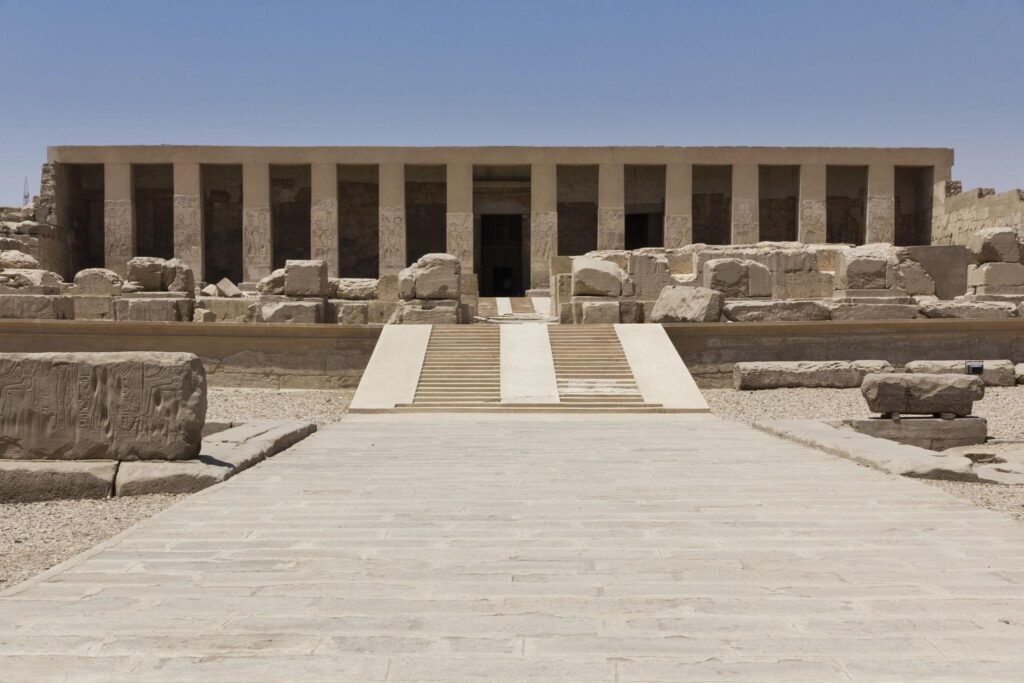
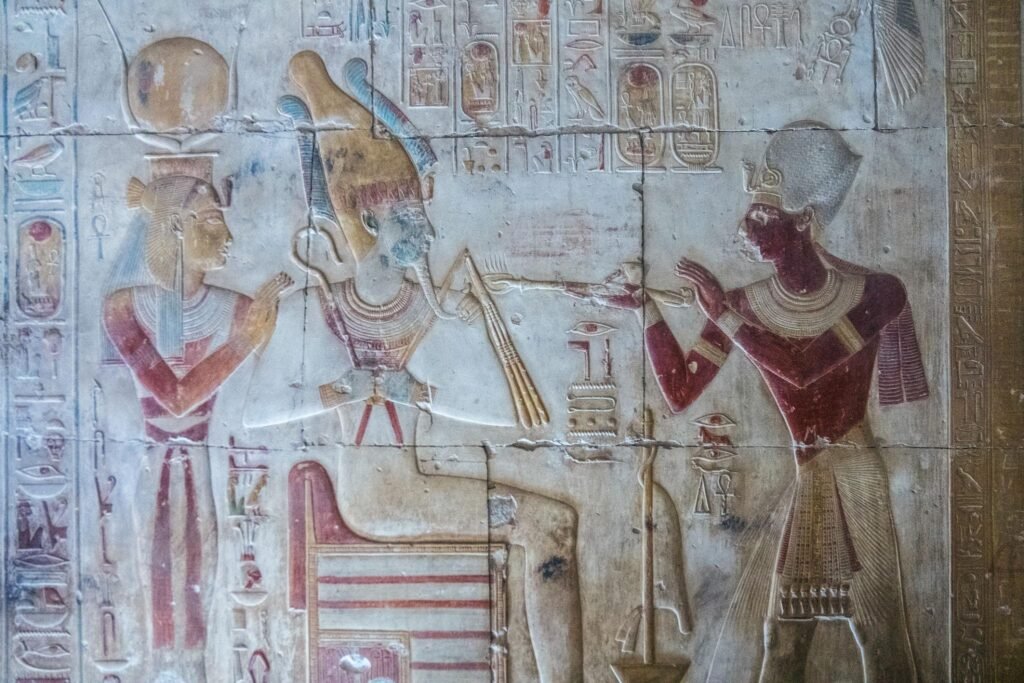
Abydos Temple, located north of Luxor, is one of the most sacred and historically important sites in ancient Egypt. Dedicated mainly to Pharaoh Seti I and closely associated with the worship of Osiris, god of the afterlife, the temple was considered a major pilgrimage destination for ancient Egyptians.
The temple is renowned for its beautifully preserved reliefs, elegant halls, and finely carved hieroglyphs, which are considered among the best in Egypt. Visitors can admire detailed wall scenes that depict religious rituals, royal ceremonies, and offerings to the gods.
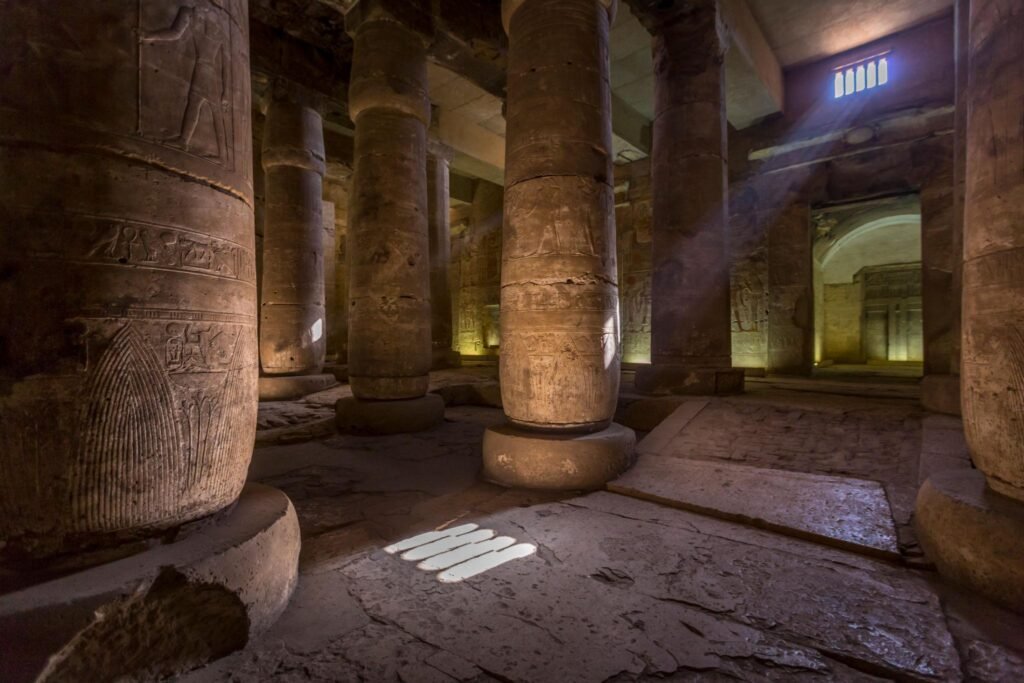
One of the most famous highlights of Abydos Temple is the Abydos King List, an important historical inscription that records the names of many ancient Egyptian pharaohs, making the site especially valuable for historians and archaeologists.
Compared to other temples, Abydos offers a peaceful and spiritual atmosphere, allowing visitors to experience the beauty and significance of one of Egypt’s most revered sacred places.
Egypt Nile Travel invites you to explore Abydos Temple, where faith, history, and exceptional artistry come together in one unforgettable destination.
Egypt Nile Travel invites you to discover Luxor Museum, where history is presented with clarity, elegance, and depth, offering a truly enriching cultural experience.

