


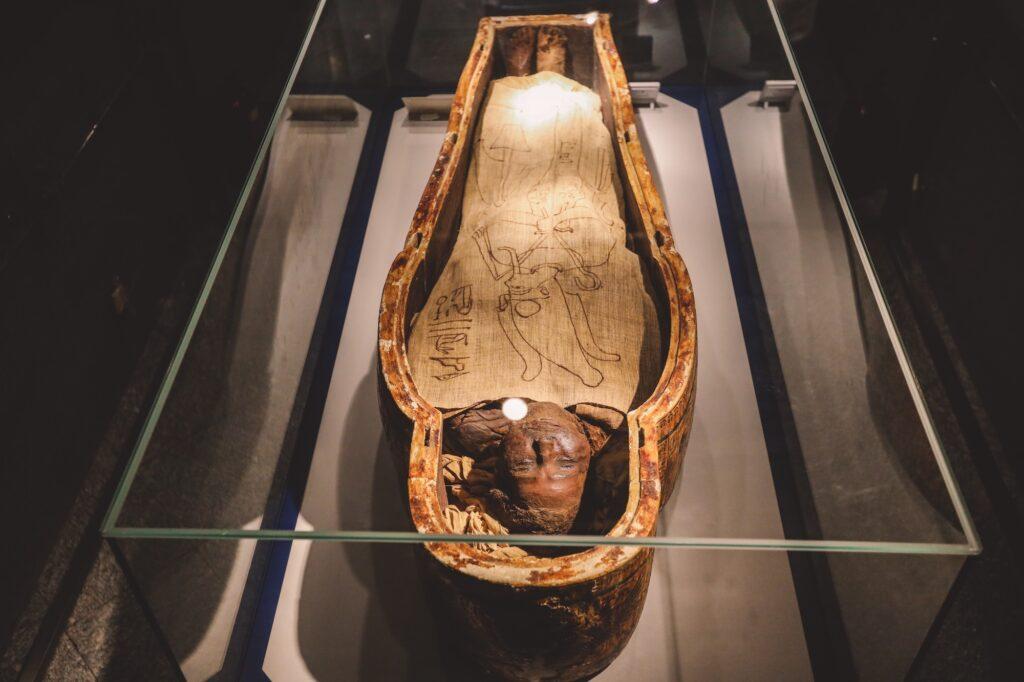
Facts About Ancient Egyptian History
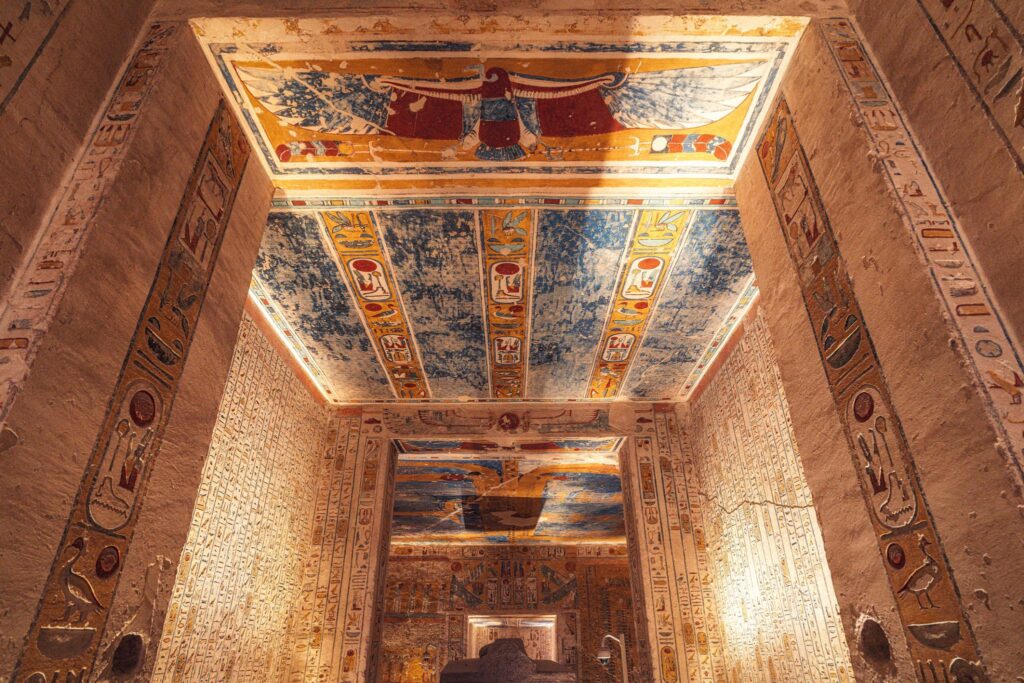
These ancient Egyptian history facts introduce the Old, Middle and New Kingdoms through their pharaohs, monuments and cultural achievements. Use this guide to understand the historical background of the pyramids, temples and tombs you may visit in Egypt.
Connect the history with places you can explore in our Cairo and Giza sightseeing guide and guide to Luxor monuments.
Ancient Egyptian History Facts: Kingdoms and Pharaohs
Ancient Egyptian history is commonly divided into three main periods: the Old Kingdom, the Middle Kingdom, and the New Kingdom. Each era played a significant role in the development of Egypt’s civilization and left behind extraordinary monuments and achievements.
The Old Kingdom, often called the “Age of the Pyramids,” was a time of great architectural accomplishments. During this period, pharaohs such as Khufu, Khafre, and Menkaure built the iconic pyramids of Giza, including the Great Pyramid, which remains one of the most impressive structures ever created.
The Middle Kingdom followed a period of instability and marked a time of renewal and stability. It was known for its cultural growth, artistic achievements, and the revival of strong central rule. Literature, art, and temple construction flourished during this era.
The New Kingdom is considered the golden age of ancient Egypt. It was a period of expansion, wealth, and powerful rulers such as Ramses II. During this time, grand monuments like Karnak Temple and the tombs in the Valley of the Kings were built, showcasing the peak of Egyptian power and artistry.
Over time, ancient Egypt faced invasions and foreign rule. Civilizations such as the Persians, Greeks under Alexander the Great, and later the Romans left their influence on Egypt, contributing to its rich and layered history.
Egypt’s past is a timeless story of greatness, resilience, and cultural legacy that continues to captivate travelers and historians from around the world.
1. The New Kingdom of Ancient Egypt:
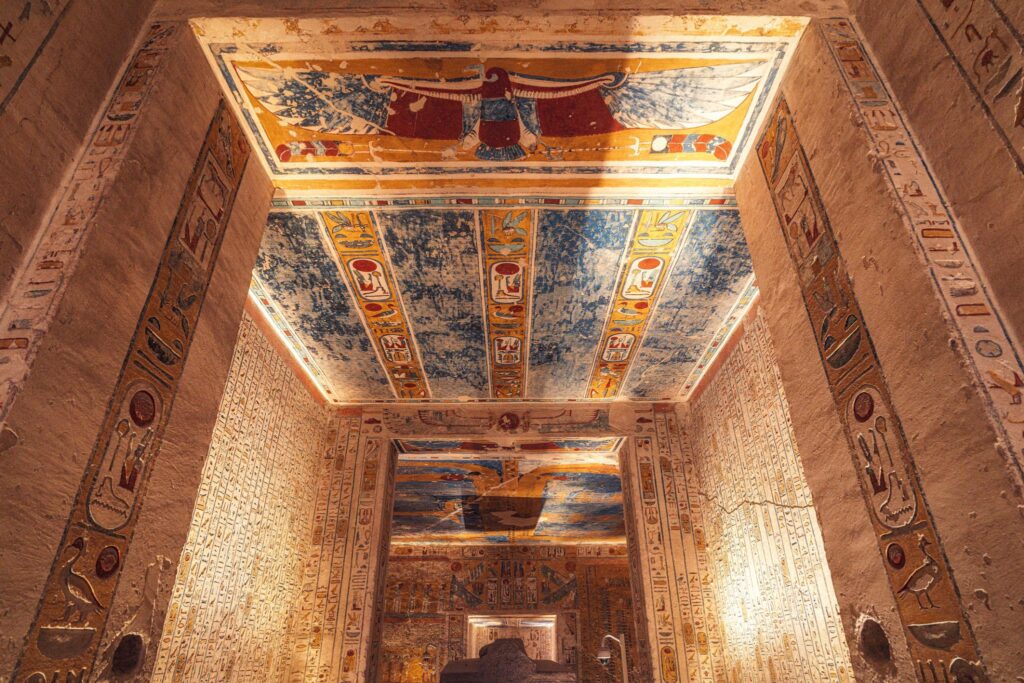
The New Kingdom of Egypt (c. 1550–1070 BCE) is considered one of the most powerful and influential periods in ancient Egyptian history. Often referred to as the “Golden Age,” this era witnessed the peak of Egypt’s political strength, economic prosperity, and artistic achievement, leaving behind some of the most iconic monuments still admired today.
This period began with the rise of Pharaoh Ahmose I, who reunited Upper and Lower Egypt and restored stability after a time of conflict. His reign marked the beginning of a new era of expansion, development, and large-scale construction projects across the country.
During the New Kingdom, Egypt expanded its influence beyond its borders, reaching regions such as Nubia and the Levant. Powerful rulers like Thutmose III and Ramses II led military campaigns that strengthened Egypt’s dominance while also bringing wealth and cultural exchange into the empire.
One of the most remarkable aspects of this period is its architectural legacy. Temples such as Karnak and Luxor, along with the rock-cut temples of Abu Simbel, stand as lasting symbols of the grandeur of ancient Egypt. The Valley of the Kings also became the royal burial ground, where pharaohs were laid to rest in richly decorated tombs filled with detailed wall paintings and inscriptions.
Religion played a central role in the New Kingdom, with Amun-Ra becoming one of the most important deities. Pharaohs were seen as divine figures who acted as intermediaries between the gods and the people, which is reflected in the scale and detail of temples and religious art from this time.
Despite its strength, the New Kingdom eventually faced internal challenges and external threats, leading to its gradual decline. However, its influence never faded. The temples, tombs, and artistic achievements of this era continue to define Egypt’s historical identity and attract visitors from around the world.
Today, exploring sites from the New Kingdom offers a journey into one of the most fascinating chapters of human civilization. Egypt Nile Travel invites you to walk through the legacy of this golden age, where history, power, and creativity come together in unforgettable destinations across Egypt.
2. The Middle Kingdom of Ancient Egypt:
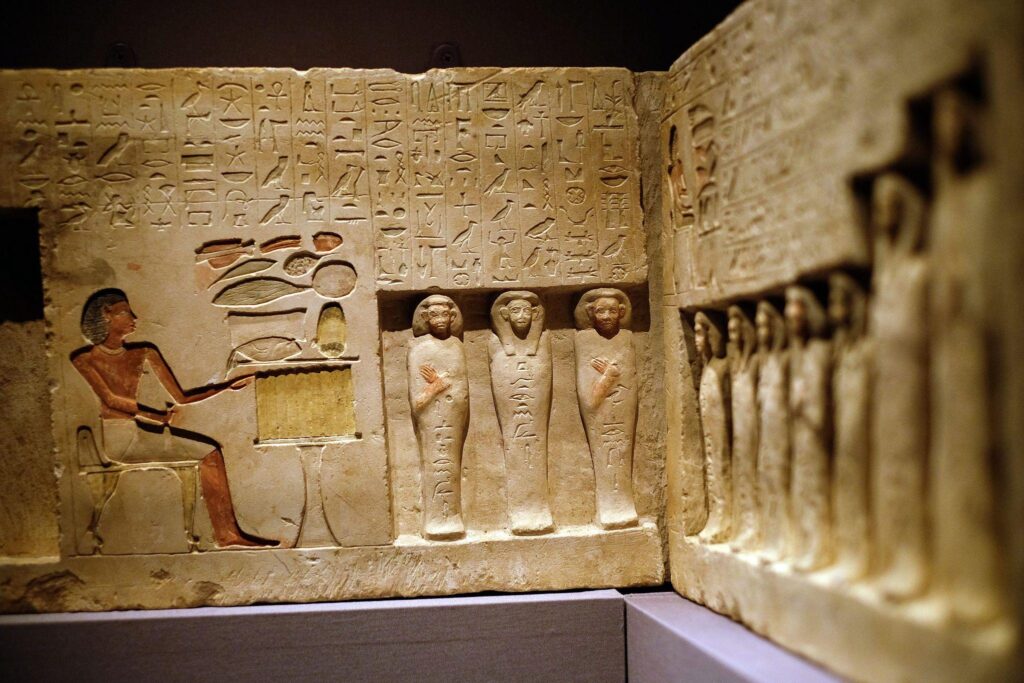
The Middle Kingdom of Egypt (c. 2050–1710 BCE) is often regarded as a period of renewal, stability, and cultural growth. Following a time of political fragmentation, this era marked the reunification of the country and the beginning of a new phase of prosperity, making it one of the most influential periods in ancient Egyptian history.
This revival began under the rule of Pharaoh Mentuhotep II, who successfully reunited Upper and Lower Egypt, restoring order and central authority. His reign laid the foundation for a strong and stable state, paving the way for future development in governance, art, and architecture.
The Middle Kingdom is especially known for its cultural and intellectual achievements. Literature flourished during this time, with famous works such as The Tale of Sinuhe and The Instruction of Amenemhat, which combined storytelling with moral and philosophical ideas. Art also evolved significantly, becoming more realistic and expressive, reflecting deeper human emotions and individuality.
Architecturally, this period saw the construction of temples, fortresses, and pyramids, particularly in regions such as Fayoum and Thebes. Unlike earlier pyramids, many Middle Kingdom structures used a mud-brick core with limestone casing, showcasing both continuity and innovation in design. One of the most notable constructions was the complex of Amenemhat III near Hawara, known for its intricate layout and impressive scale.
The Middle Kingdom was also a time of economic expansion and active trade. Egypt established strong connections with neighboring regions, importing valuable resources such as gold from Nubia, timber from Lebanon, and precious stones from distant lands. These exchanges not only strengthened the economy but also influenced Egyptian culture and craftsmanship.
Today, the legacy of the Middle Kingdom can still be experienced through its monuments, artifacts, and literary heritage. It represents a powerful story of resilience and rebirth, where a civilization rebuilt itself and reached new heights of creativity and organization.
Egypt Nile Travel invites you to explore the legacy of the Middle Kingdom, where history, culture, and innovation come together to reveal one of the most inspiring chapters of ancient Egypt.
3. The Old Kingdom of Ancient Egypt:
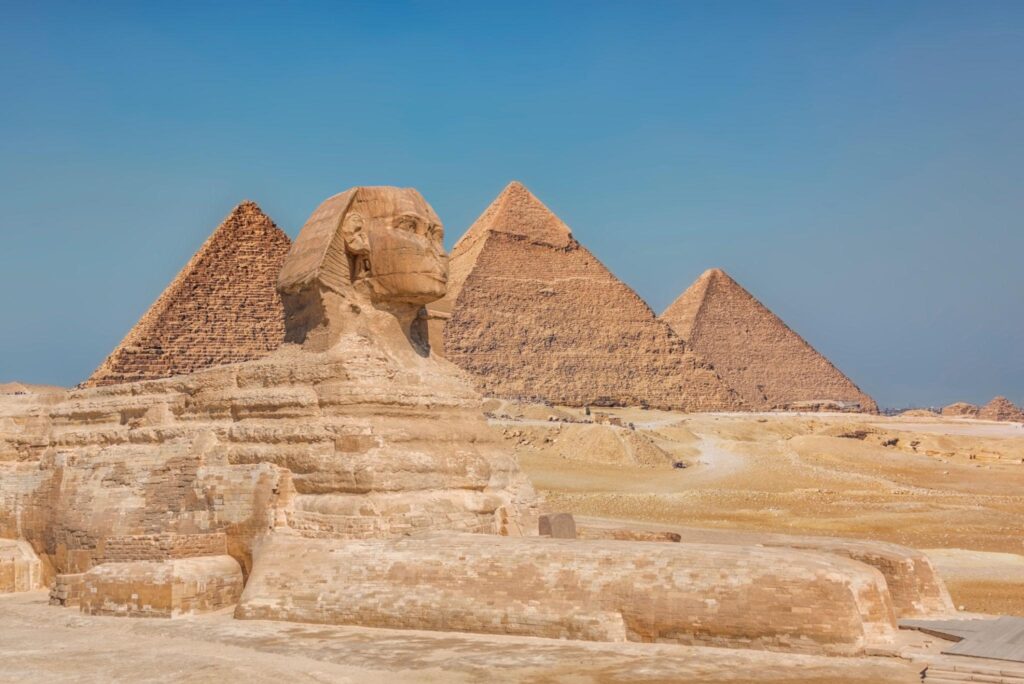
The Old Kingdom of Egypt (c. 2686–2181 BCE), often referred to as the “Age of the Pyramids,” marks one of the most important and influential periods in ancient Egyptian history. During this era, Egypt established strong political stability, advanced governance, and groundbreaking architectural achievements that continue to amaze the world today.
This period began with the rise of powerful rulers such as King Djoser, whose reign introduced one of the earliest monumental stone structures in history—the Step Pyramid at Saqqara. Designed by the architect Imhotep, this pyramid represented a major turning point in construction techniques and symbolized the strong connection between the pharaoh and the divine.
The Old Kingdom reached its peak during the Fourth Dynasty, when the famous pyramids of Giza were built. Pharaohs such as Khufu, Khafre, and Menkaure constructed these monumental tombs, including the Great Pyramid, one of the Seven Wonders of the Ancient World. Alongside these structures stands the Great Sphinx, adding to the mystery and grandeur of this remarkable period.
Beyond its architectural achievements, the Old Kingdom was also a time of social and cultural development. Egypt had a well-organized government, a thriving agricultural system supported by the Nile, and strong religious beliefs centered around gods such as Ra and Osiris. Art flourished during this time, with statues, wall carvings, and hieroglyphs providing insight into daily life, beliefs, and traditions.
Despite its greatness, the Old Kingdom eventually declined due to a combination of economic challenges, environmental factors, and political instability. However, its legacy remained strong, laying the foundation for future periods of Egyptian history and influencing generations to come.
Today, the monuments of the Old Kingdom continue to attract visitors from around the world, offering a glimpse into one of the earliest and most remarkable civilizations in human history.
Egypt Nile Travel invites you to explore the wonders of the Old Kingdom, where the story of ancient Egypt began with innovation, ambition, and timeless achievements.
4. Famous Pharaohs of Ancient Egypt:
- Tutankhamun
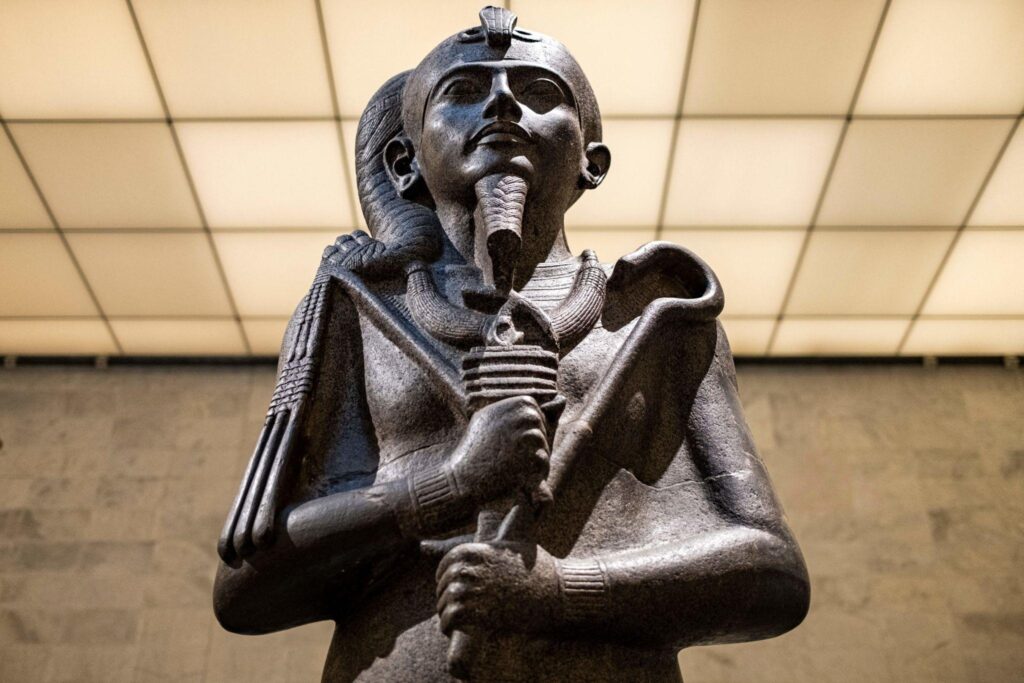
Tutankhamun was a young pharaoh of the New Kingdom who ruled Egypt at a very early age. He is most famous for his nearly intact tomb discovered in 1922, which revealed incredible treasures and gave the world a rare insight into royal burial practices.
- Thutmose III
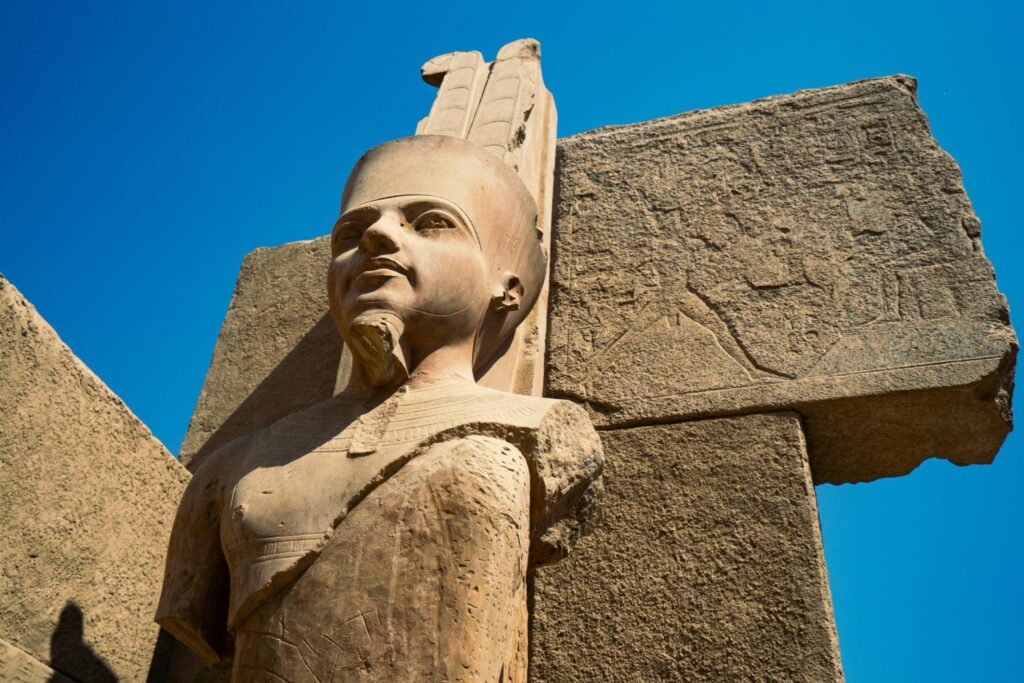
Thutmose III was one of Egypt’s greatest warrior kings and a brilliant military strategist. He expanded Egypt’s empire to its greatest extent and strengthened its political and economic power through successful campaigns.
- Hatshepsut
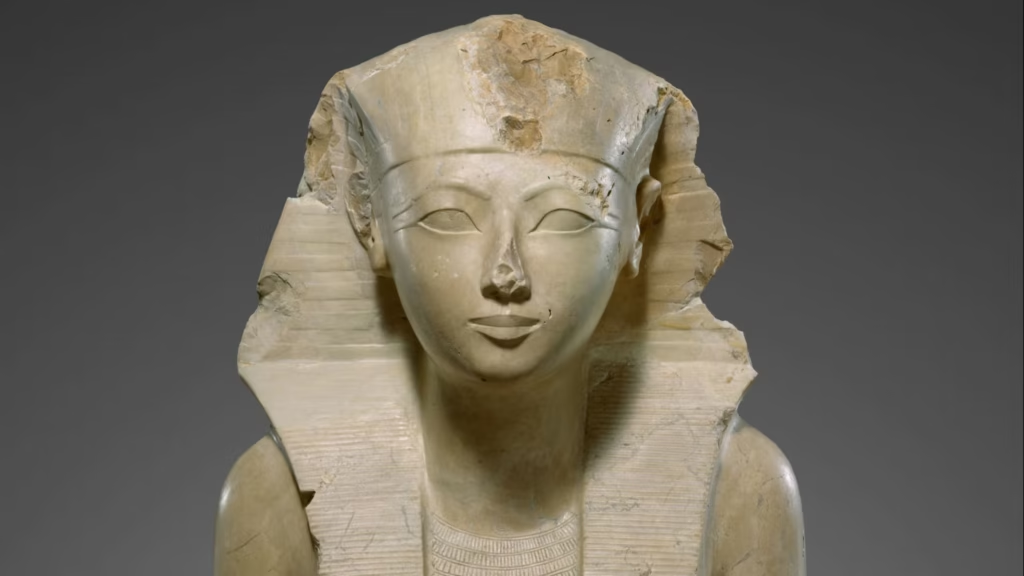
Hatshepsut was one of the most successful female pharaohs who ruled Egypt with stability and prosperity. She focused on trade, especially her famous expedition to Punt, and built remarkable monuments like her temple at Deir el-Bahari.
- King Menes (Narmer)
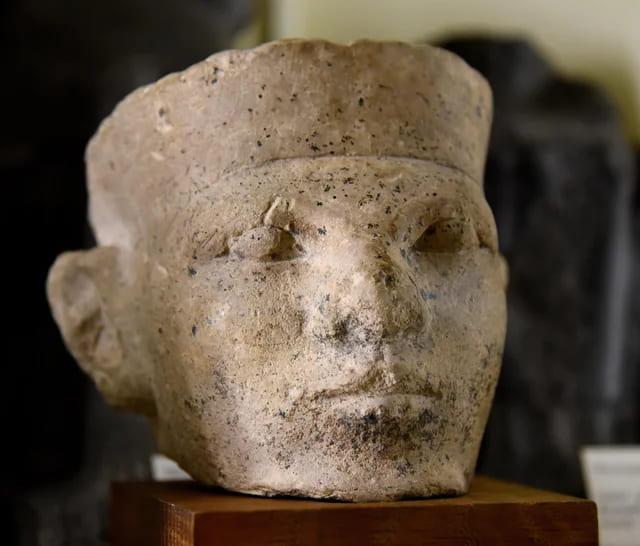
King Menes, also known as Narmer, is credited with uniting Upper and Lower Egypt into one kingdom. His rule marked the beginning of the first dynasty and the foundation of ancient Egyptian civilization.
- Ramses II
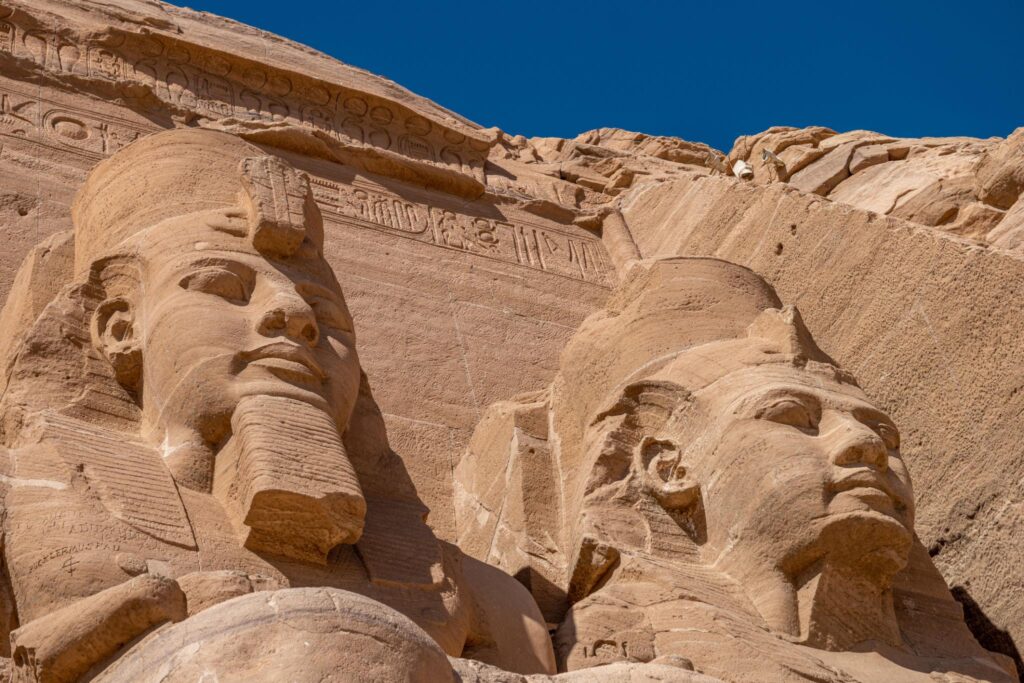
Ramses II, also known as Ramses the Great, was one of the most powerful and long-reigning pharaohs. He is known for his military achievements and massive building projects, including Abu Simbel and the Ramesseum.
- Akhenaten
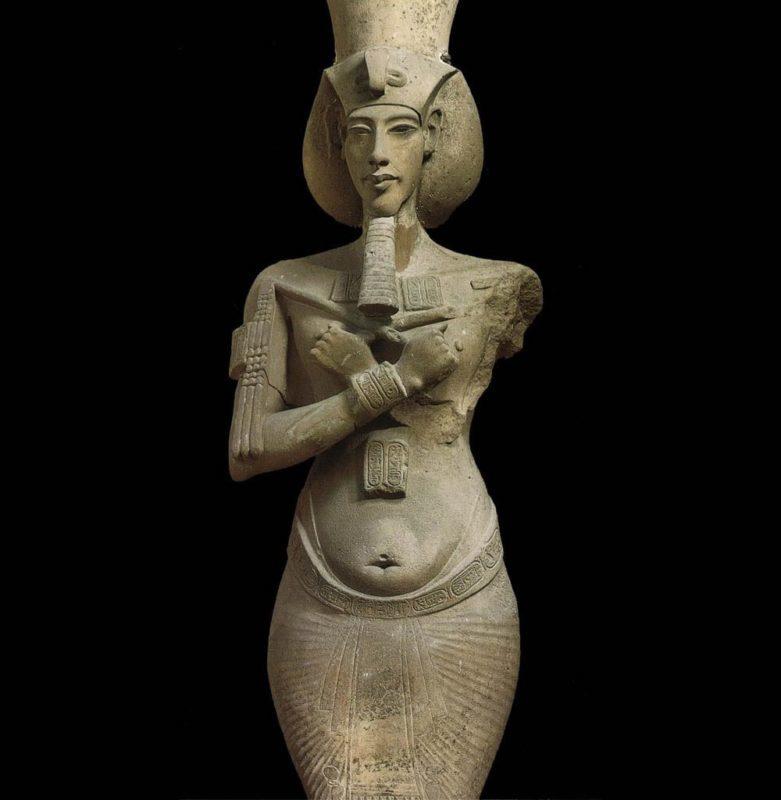
Akhenaten was a revolutionary pharaoh who introduced the worship of a single god, Aten. His reign brought major changes in religion, art, and culture, although his reforms were reversed after his death.
- King Khufu
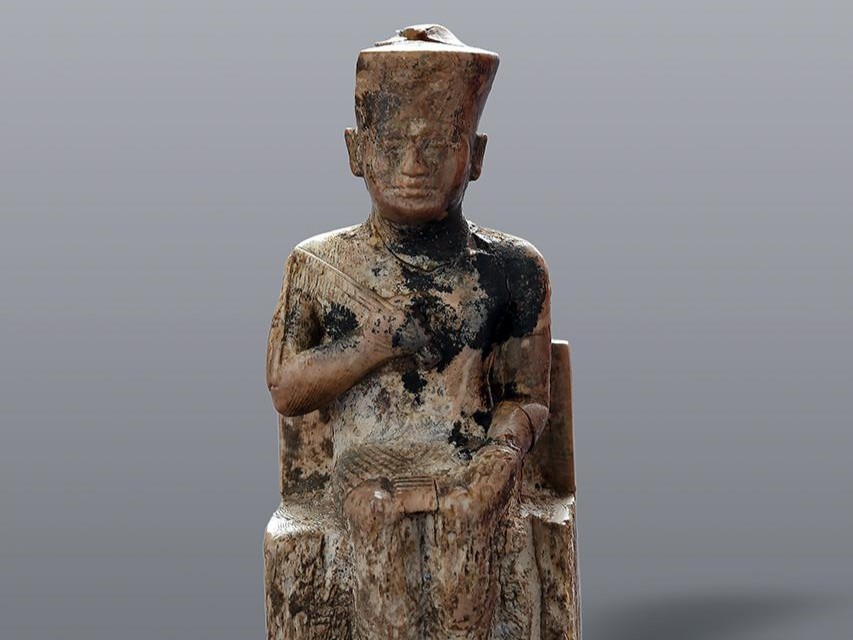
Khufu was the builder of the Great Pyramid of Giza, the largest and most famous pyramid in Egypt. His reign represents the peak of pyramid construction and engineering brilliance.
- King Djoser
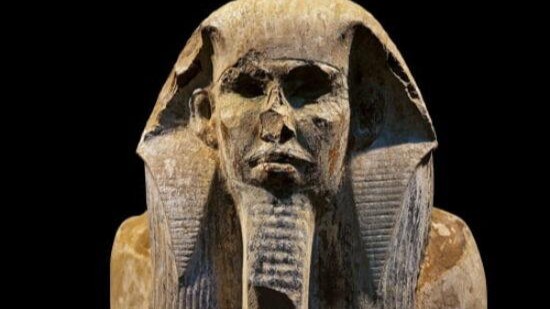
Djoser was an important early pharaoh who commissioned the Step Pyramid at Saqqara. Designed by Imhotep, it was the first large stone structure in history and marked the beginning of pyramid architecture.
- King Snefru
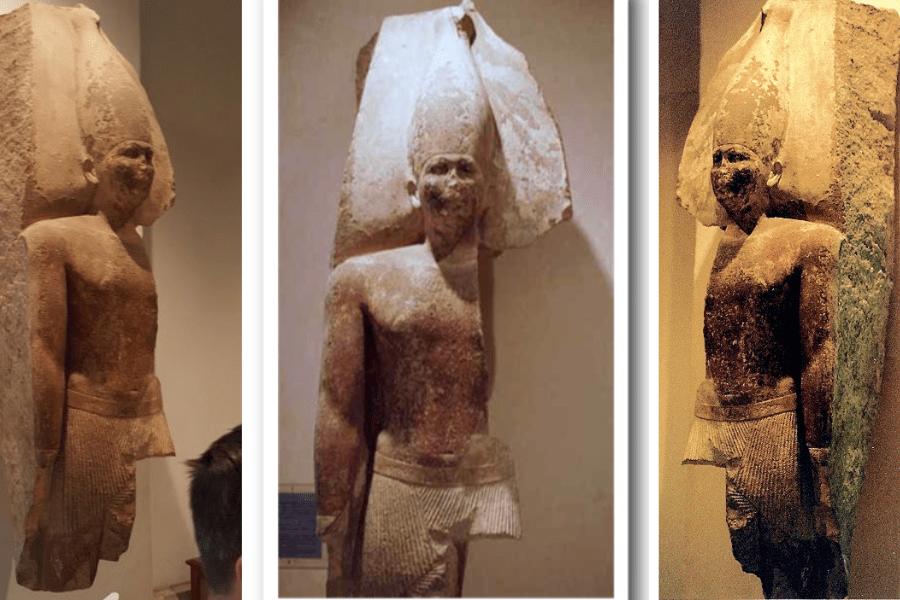
Snefru was a key figure in developing pyramid construction techniques. He built multiple pyramids, including the Bent Pyramid and the Red Pyramid, helping shape the evolution of pyramid design.
- King Khafre
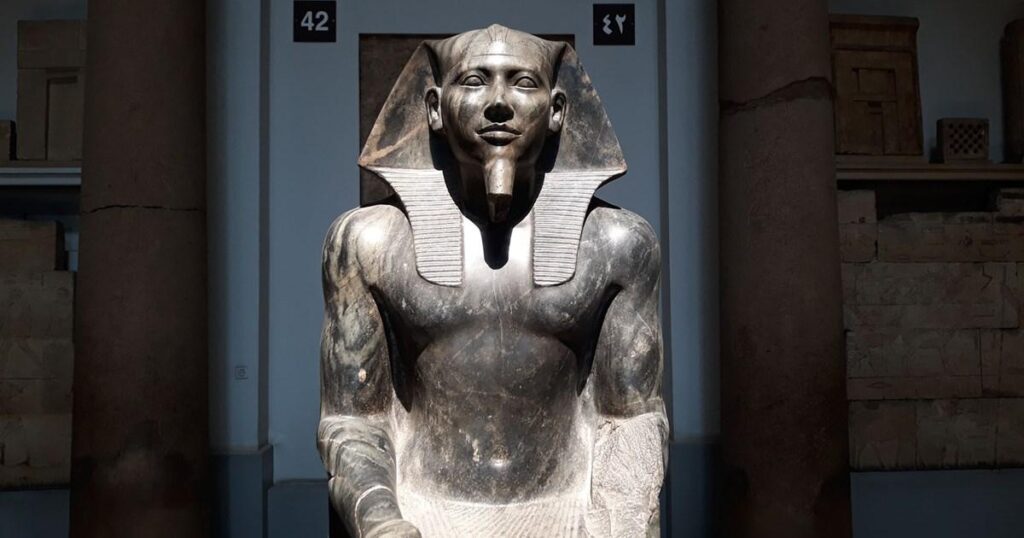
Khafre built the second pyramid at Giza and is commonly associated with the Great Sphinx. His monuments reflect royal power and advanced architectural skills.
- Queen Nefertari
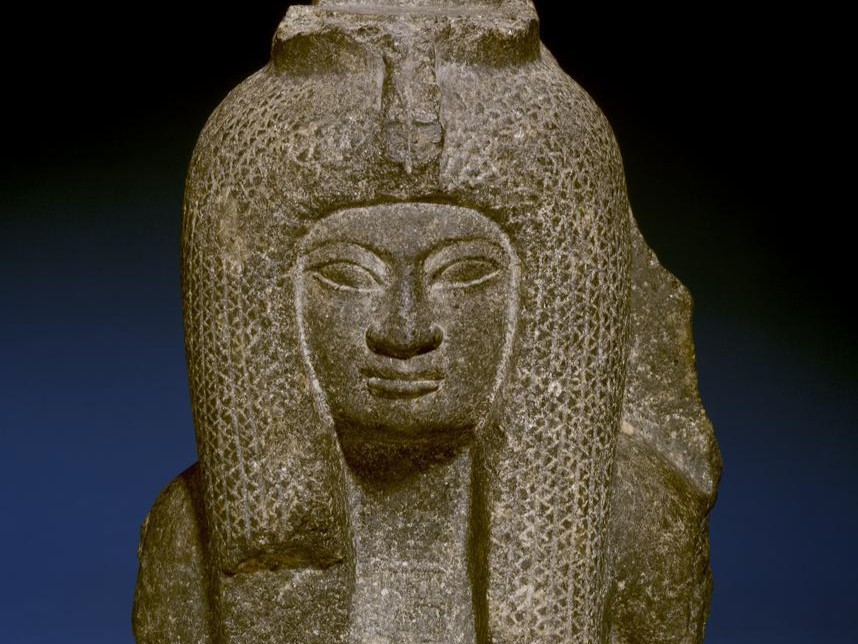
Nefertari was the beloved wife of Ramses II and one of the most famous queens of ancient Egypt. Her tomb in the Valley of the Queens is considered one of the most beautiful due to its colorful and detailed artwork.
- Cleopatra VII
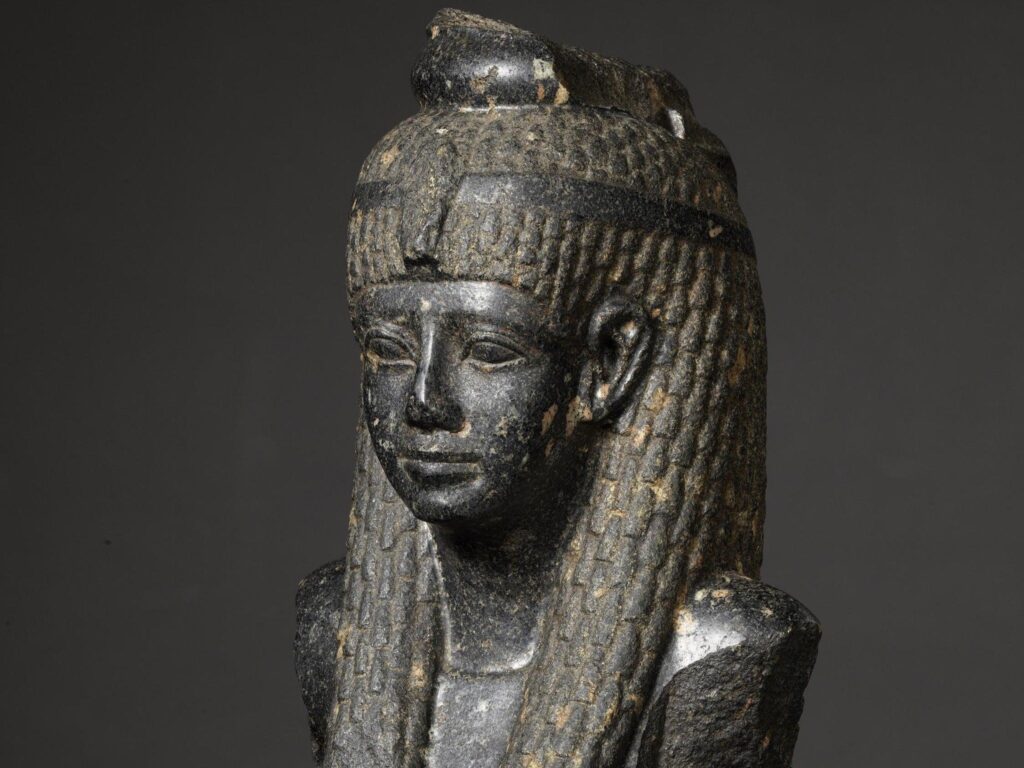
Cleopatra VII was the last active ruler of ancient Egypt and one of its most famous queens. She was known for her intelligence and political alliances with Julius Caesar and Mark Antony.
- Seti I
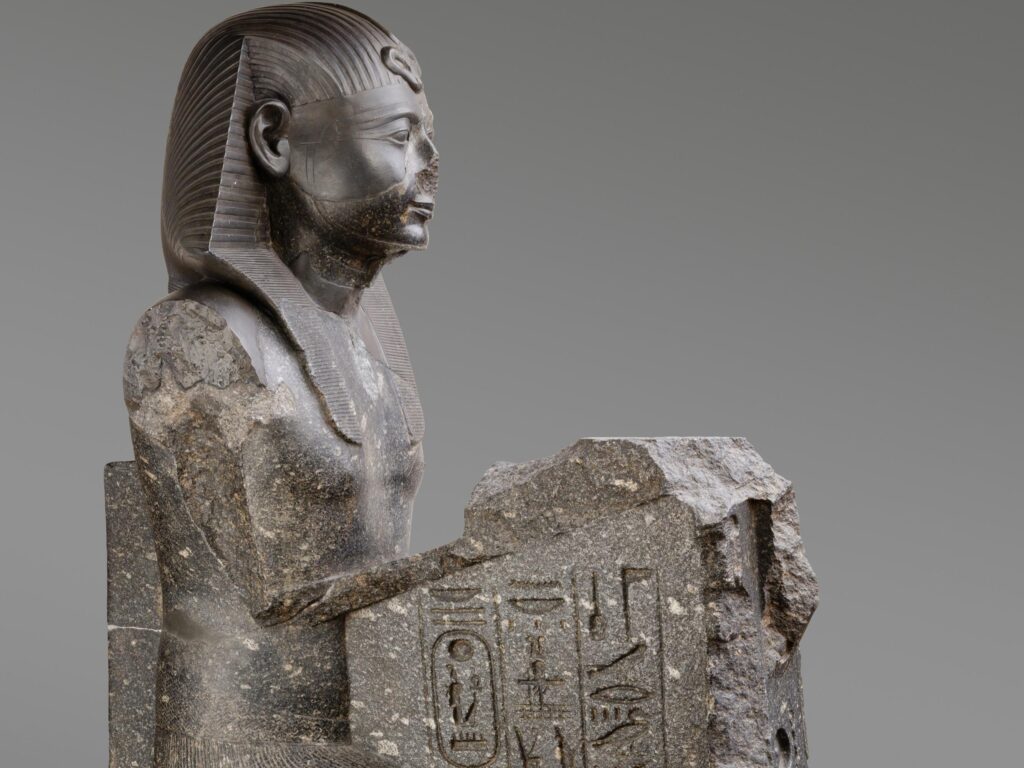
Seti I was a powerful ruler who restored Egypt’s strength after a period of decline. He is known for his military campaigns and for building the magnificent Temple of Abydos.
- Menkaure
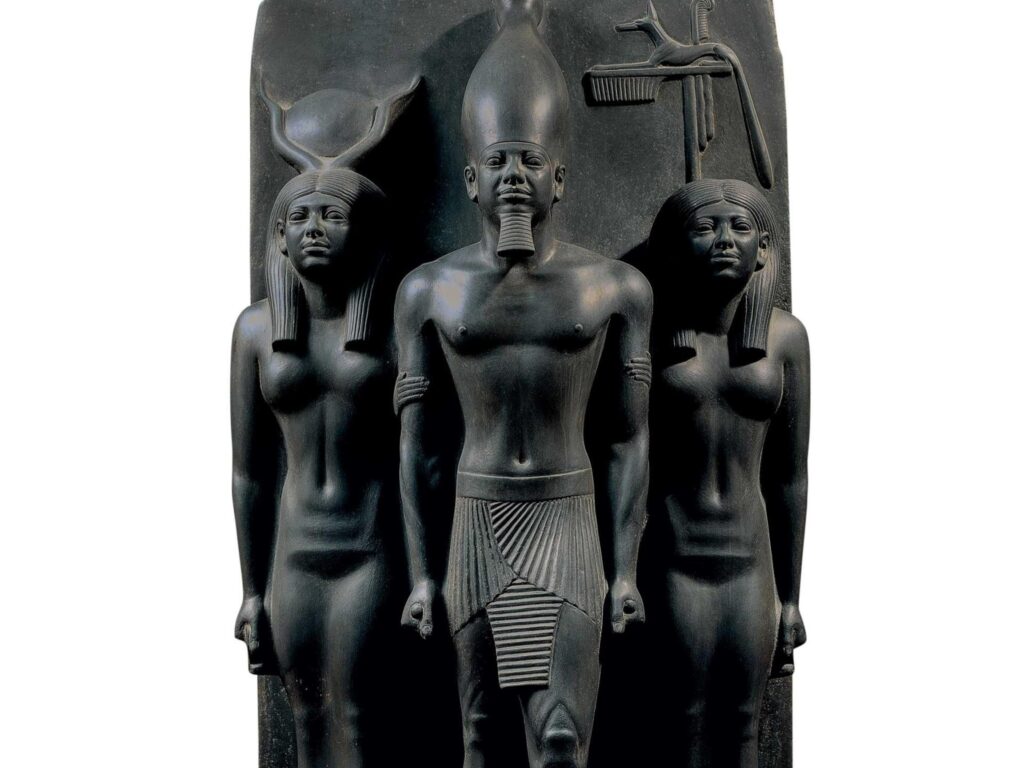
Menkaure built the smallest of the three pyramids at Giza. His reign is known for high-quality statues and refined artistic achievements.
- Mentuhotep II
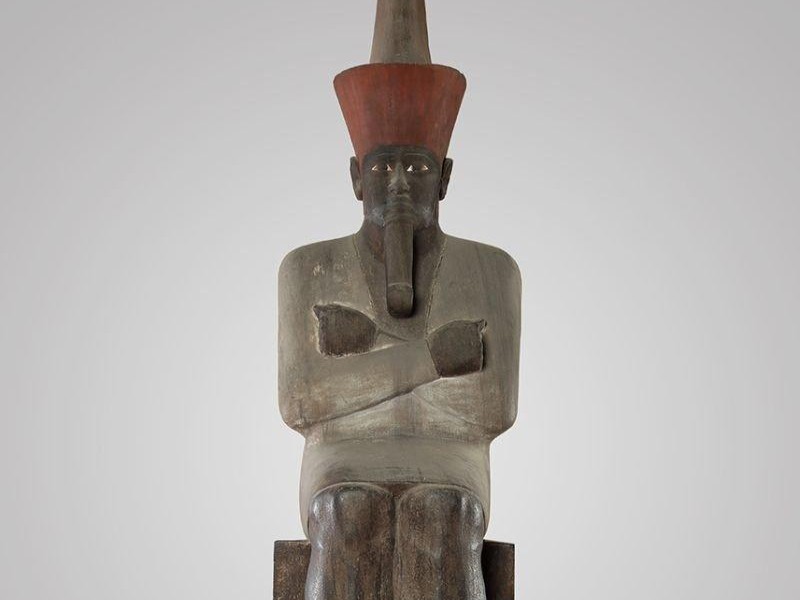
Mentuhotep II reunited Egypt after a long period of division and established the Middle Kingdom. His reign marked a return to stability and central authority.

